 Nepal Newsbox
2083 Jestha 16, Saturday
Nepal Newsbox
Nepal Newsbox
2083 Jestha 16, Saturday
Nepal Newsbox
Systemic Injustice of Political Leaders of Political Parties in Nepal

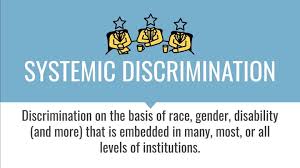
Systemic Injustice of Political Leaders of Political Parties in Nepal
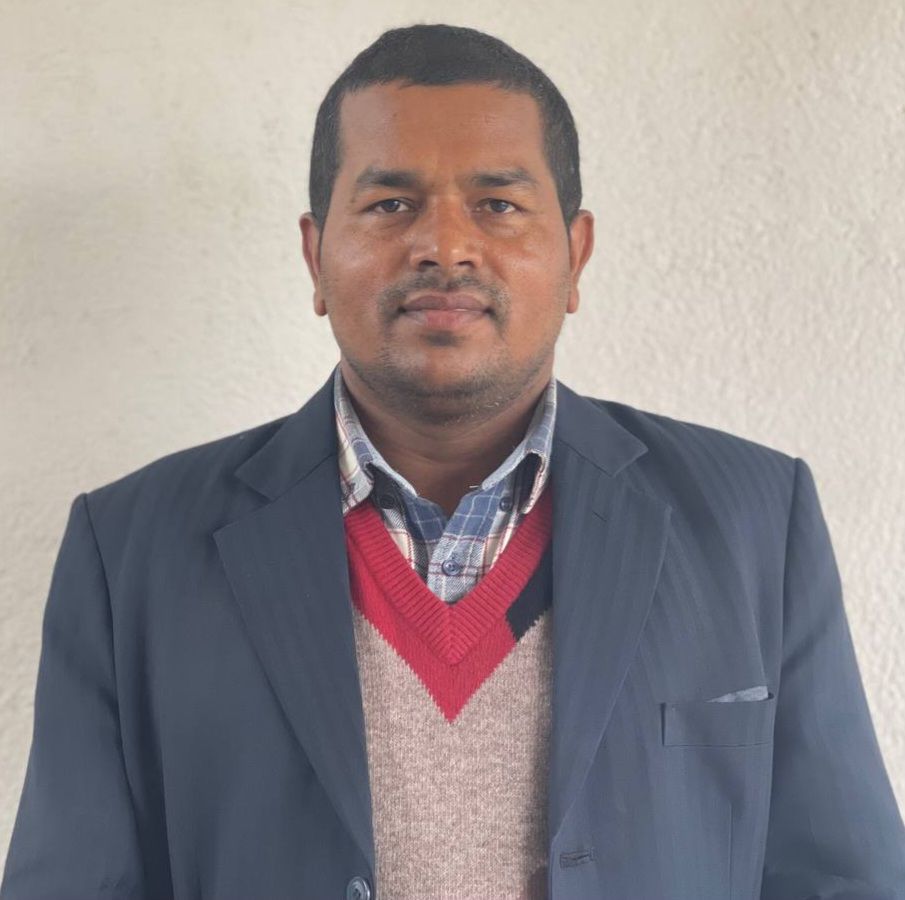
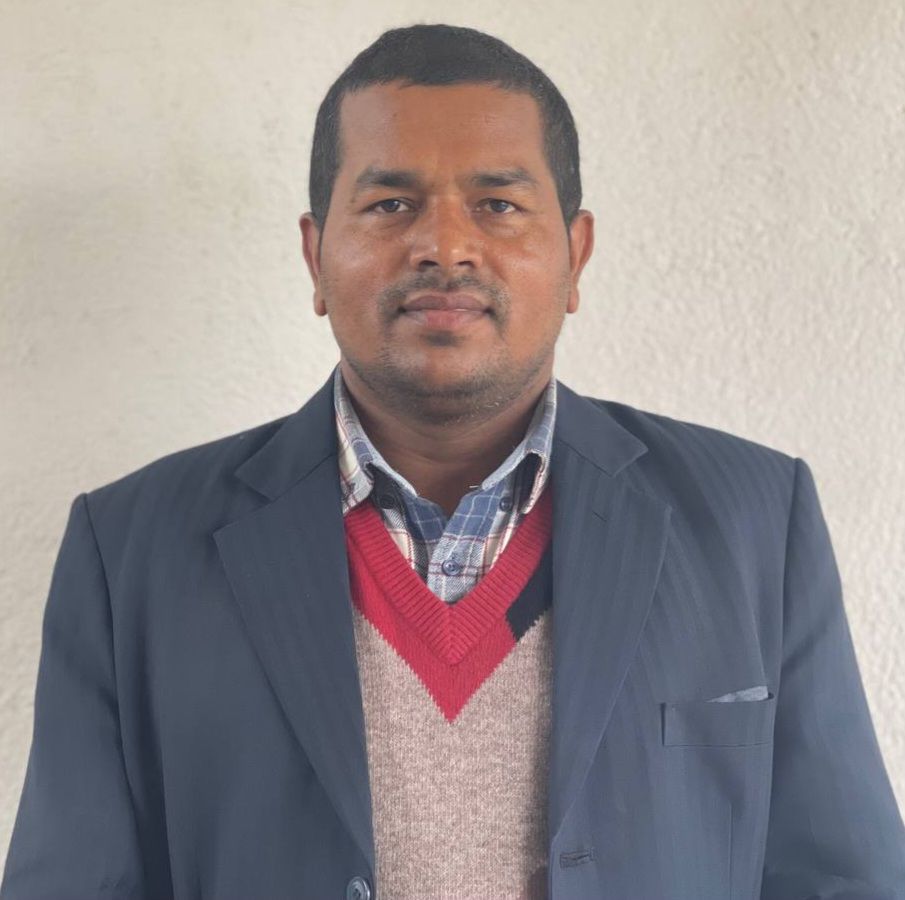
By Rameshwar Yadav
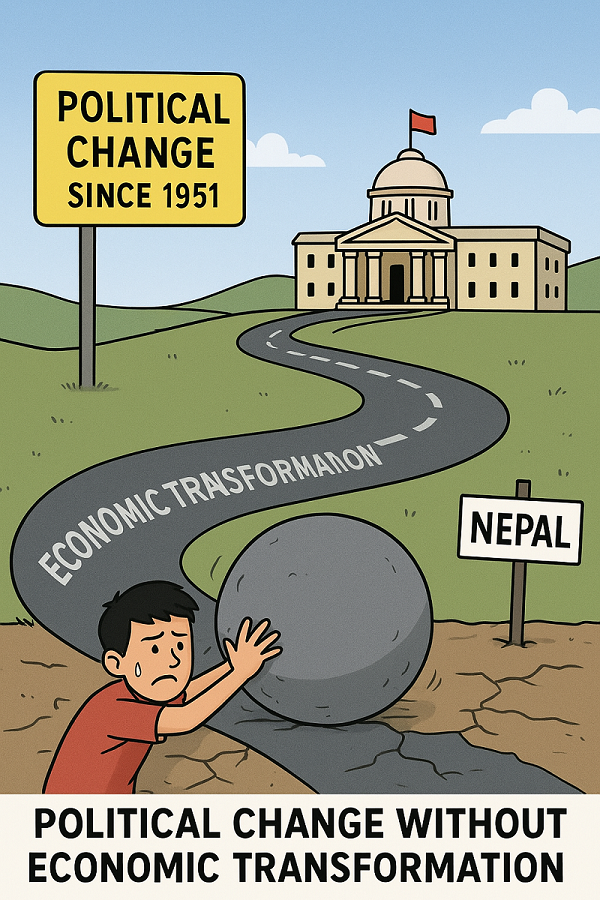
Nepal, with its rich history of struggle for democracy and social justice, has long aspired to build an inclusive, prosperous, and democratic society. However, despite multiple democratic movements, federal restructuring, and constitutional promises, systemic injustice continues to shape the relationship between citizens and political parties. Political leaders, instead of being servants of the people, often act as power brokers serving their own parties and cadres. This betrayal of public trust manifests in three major ways: the prioritization of party cadres over ordinary citizens, the subversion of the rule of law in favor of rule by leaders, and the pursuit of party interests at the cost of nation-building. Together, these dynamics have created a political environment where power is concentrated, accountability is weak, and citizens feel excluded from the very system that claims to represent them.
1. People of Nepal (Society) vs. Political Cadres Only
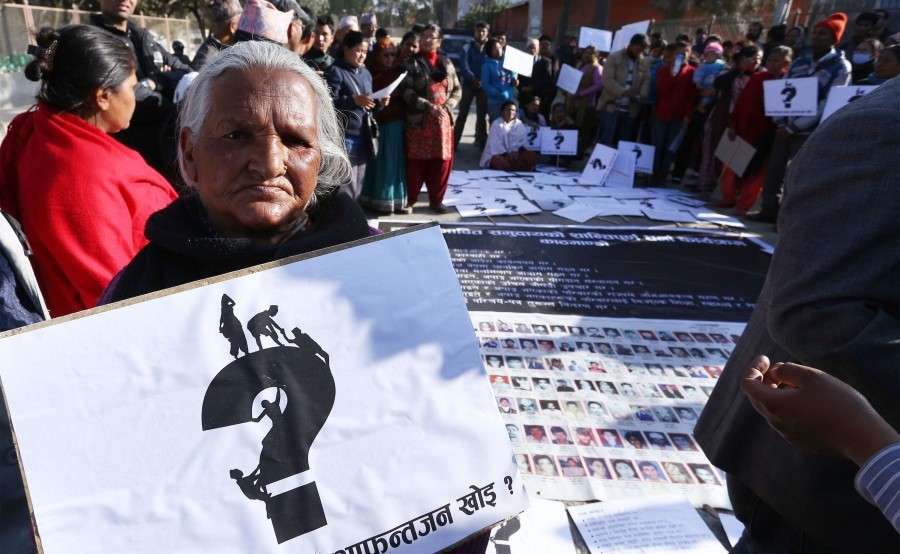
One of the most visible injustices in Nepal’s political landscape is the preferential treatment given to party cadres over ordinary citizens. During elections, leaders promise to serve all citizens equally, but once in power, their resources and efforts overwhelmingly favor their own party members. This can be seen in employment opportunities, distribution of development projects, and even in access to basic welfare benefits. Government contracts, scholarships, and public sector jobs are often handed out to party loyalists, leaving ordinary citizens feeling marginalized and voiceless. Such favoritism erodes public trust and deepens inequality, as political connections rather than merit determine who benefits from state resources.
This cadre-centered politics creates a clientelist network where party members expect continuous rewards for their loyalty, and leaders comply to secure their political base. The result is that policies are designed not for the broader good but for the narrow benefit of those who support the ruling party. For instance, many infrastructure projects are started in regions where the ruling party has strong support, while other regions remain neglected. This perpetuates cycles of inequality between districts and provinces, undermining the federal spirit of the constitution. Ordinary Nepalis, particularly those unaffiliated with political parties, are forced to navigate bureaucratic systems dominated by partisan interests, often requiring bribes or political recommendations to access what should be their rights by law. Over time, this favoritism creates a disillusioned citizenry who lose faith in political promises and withdraw from active participation, which weakens democracy itself.
2. Rule of Law vs. Rule of the Leader
A second, and equally troubling, dimension of systemic injustice in Nepal is the weakening of the rule of law. Instead of laws being applied equally to all citizens, they are frequently bent to serve political elites. Leaders interfere with judicial processes, influence police investigations, and manipulate administrative decisions to protect allies and punish rivals. High-profile corruption cases often end with no convictions, as the accused are either shielded by political power or reach backroom settlements. This culture of impunity sends a dangerous message that laws are only for the powerless, while the powerful can act above them.
The dominance of leaders over laws is particularly evident in how political parties handle internal disputes and governance issues. Party leaders often make unilateral decisions on candidate selection, government formation, and coalition-building, sidelining democratic procedures and ignoring grassroots voices. This has led to a culture where loyalty to the leader is valued more than adherence to constitutional principles or party statutes. Ordinary citizens, who expect justice and fairness, find that their petitions and legal complaints are delayed or dismissed if they go against the interest of powerful political figures. The result is a justice system that works selectively, deepening social frustration. When citizens see leaders violating the law without consequences, it encourages a culture of lawlessness in society at large, eroding moral and civic discipline.
3. Building Nation vs. Political Parties
Perhaps the most damaging injustice is the prioritization of party survival and power struggles over the task of nation-building. Political parties, instead of collaborating on long-term policies for education, healthcare, economic growth, and social justice, spend most of their energy on forming and breaking coalitions, negotiating ministerial portfolios, and consolidating their hold on power. This short-termism prevents Nepal from addressing structural challenges such as unemployment, poverty, and underdevelopment. Critical issues like industrialization, climate adaptation, and youth migration remain unaddressed because parties are locked in perpetual battles over who controls the government.
The consequences of this misplaced priority are dire. National projects—hydropower plants, highways, international airports—are delayed for years because of political interference, corruption, and constant leadership changes. Education and health systems suffer from poor funding and lack of reform because politicians see them as opportunities for patronage rather than public service. Instead of building a shared vision for a prosperous Nepal, leaders treat the state as a source of resources to distribute to their networks. This results in a weak state apparatus that cannot plan or execute effectively. Citizens, particularly the youth, grow frustrated with the slow pace of development and choose to migrate abroad, draining the country of its human capital. The political elite may survive these crises, but the nation suffers long-term stagnation.
Critical Reflection
The systemic injustice created by Nepal’s political leaders is not simply a matter of individual corruption or moral failure; it is embedded in the very structure of how political power operates. The party-centered system incentivizes leaders to reward loyalists, bend rules, and focus narrowly on party interests. These injustices are mutually reinforcing: favoritism breeds inequality, inequality undermines the rule of law, and the absence of law allows parties to prioritize themselves over the nation. Breaking this cycle requires more than changing leaders—it requires strengthening institutions, empowering citizens, and demanding accountability.
Civil society, youth movements, and the media have a crucial role to play in holding political leaders accountable and insisting that development projects, state services, and justice systems serve everyone equally, not just those with party membership. Judicial independence must be protected, anti-corruption bodies should be empowered, and citizens should push for transparency in government spending and decision-making. Political education is also vital, so that voters understand the long-term costs of electing leaders who serve their party first and the nation last.
Conclusion
Nepal’s struggle with systemic injustice reflects a deeper tension between the ideals of democracy and the realities of power politics. The people of Nepal deserve a government that serves them equally, laws that apply fairly to all, and leaders who prioritize nation-building over party games. Until these demands are met, the cycle of favoritism, impunity, and underdevelopment will continue to erode public faith in democracy. By recognizing these patterns and demanding reform, citizens can gradually shift the balance from the rule of leaders to the rule of law, and from party-centered politics to genuine nation-building. Only then can Nepal move toward a more just, inclusive, and prosperous future.
Related News