 Nepal Newsbox
2083 Jestha 16, Saturday
Nepal Newsbox
Nepal Newsbox
2083 Jestha 16, Saturday
Nepal Newsbox
The Proportional Representation System: A Dream of Inclusion or a Ladder for Nepotism?

Editorial
The Proportional Representation System: A Dream of Inclusion or a Ladder for Nepotism?
When Nepal’s Constitution envisioned the proportional representation (PR) system, its objective was clear—to bring voices long excluded from the state’s power structure into the national mainstream. It was meant to ensure representation for marginalized communities, women, and historically silenced groups. However, the way this system is being practiced today suggests a growing gap between constitutional intent and political reality. What was designed as a tool of inclusive democracy increasingly appears to be turning into a safe route for nepotism, favoritism, and power preservation.
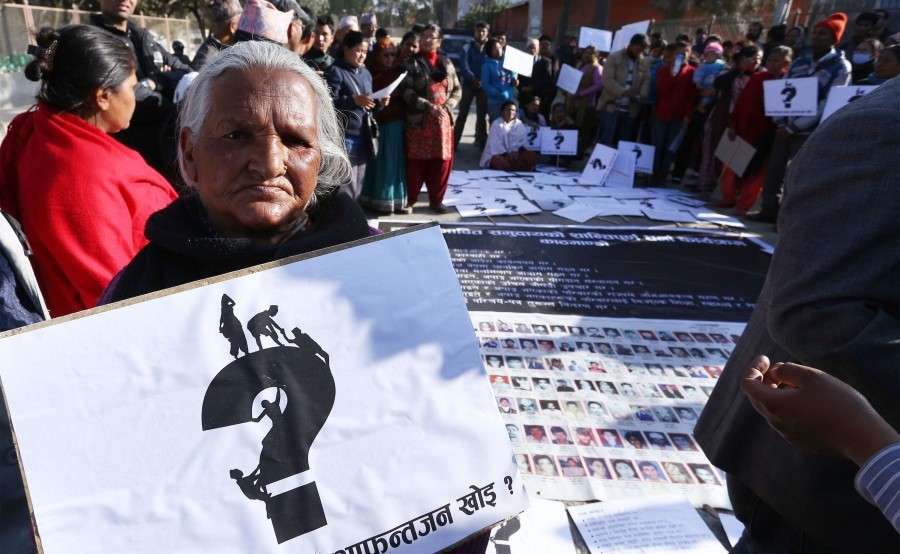
Recent dissenting voices have highlighted this uncomfortable truth. Offering congratulations to individuals while simultaneously questioning the system is not an act of hostility; it is a healthy democratic response. The problem is not with any individual MP, woman, or family. The real problem lies in a structure where those who spent decades in prison, endured torture, and sacrificed their lives for democracy remain confined to history books, while relatives of powerful leaders effortlessly enter Parliament.
Political parties rise on the sweat and sacrifice of their grassroots workers during movements and struggles, yet forget them when it comes to distributing power and opportunity. Many democracy fighters died in poverty; their families today struggle for basic needs—food, shelter, and clothing. Yet their names rarely appear on proportional lists, nor do leaders show the moral responsibility to even ask about their condition.
If the PR system fails to value sacrifice, contribution, and political integrity, it risks breeding deep public disillusionment with democracy itself. Representation should be a right grounded in justice—not a favor granted through personal connections. To preserve the spirit of the Constitution, political parties must demonstrate transparency, ethical courage, and clear criteria while forming proportional lists.
B.P. Koirala’s warning remains painfully relevant today:
“A party worker who watches silently while leadership does wrong is either an extreme opportunist or a slave.”
The question, therefore, is not about who becomes an MP, but about what kind of politics we want. Will we create history, or will we be used by history and then discarded? The answer lies with the workers themselves.
Related News