 Nepal Newsbox
2083 Jestha 16, Saturday
Nepal Newsbox
Nepal Newsbox
2083 Jestha 16, Saturday
Nepal Newsbox
Four Hundred Rupees of Fire By Rameshwar Yadav ( A short Story)

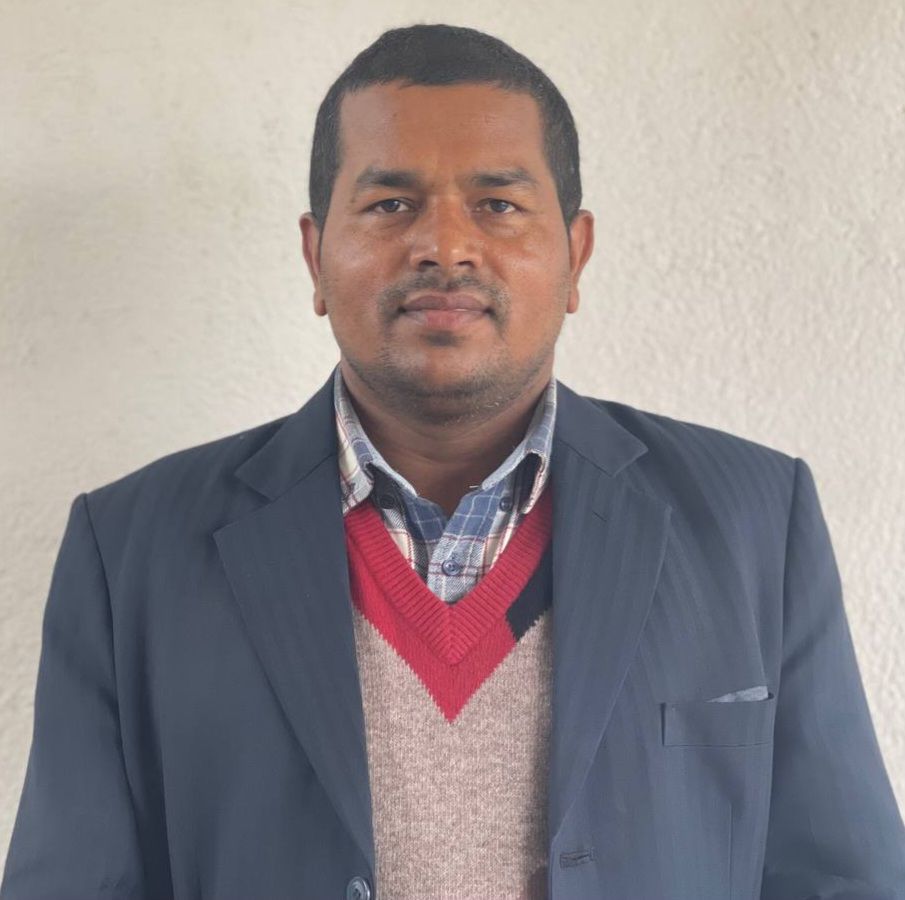
Four Hundred Rupees of Fire
By Rameshwar Yadav
When the boy shifted from Kalanki to Tikhidewal, Lalitpur felt gentle. The lanes were narrower, the evenings quieter, and the air carried a slow, domestic calm. For a few weeks, life settled into a pleasant rhythm—college in the morning, rented room in the evening, dreams tucked between textbooks and tired eyes.
That afternoon, hunger arrived like an uninvited guest.
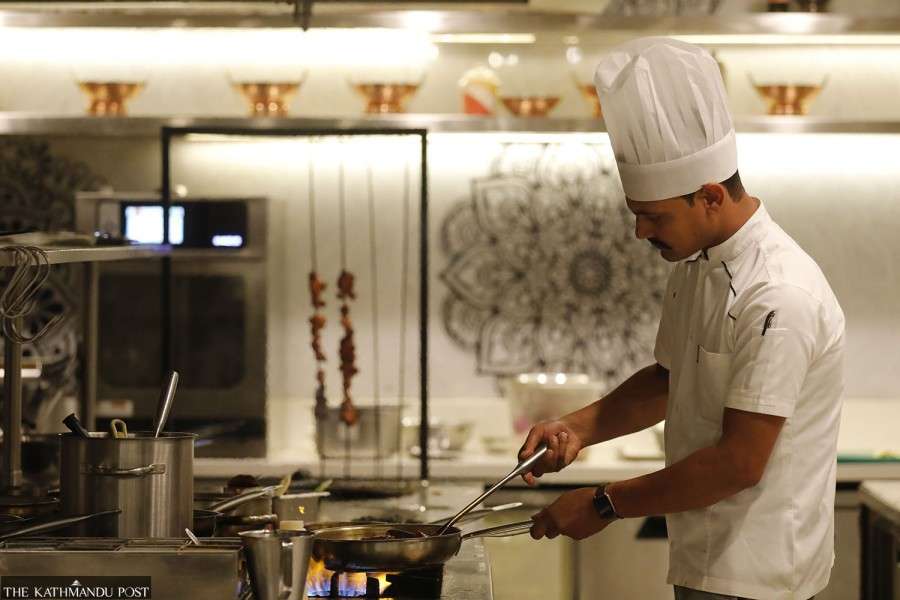
He cooked dal carefully, watching the lentils soften, steam rising like hope. Then the flame flickered—and died. The gas cylinder, empty as his stomach. Rice remained raw. Vegetables waited untouched, green and patient.
He walked through Tikhidewal with the cylinder’s weight pulling on his arm and his mind. Shop after shop, brand after brand—none matched. An hour passed. Hunger sharpened. Frustration thickened.
Finally, he called the grocery shopkeeper—the same man who measured rice with practiced hands and remembered customers by face, not name.
“Exchange garna milchha,” the shopkeeper said, “tara extra four hundred rupees lagchha.”
Four hundred.
For some, a small note.
For a student, a wall.
He bargained, gently at first, then with the tired urgency of someone whose stomach had begun to ache. The shopkeeper shook his head. Rules were rules.
So, the boy swallowed pride instead of food and called a friend. In that friend’s room, he ate—warm rice, simple curry, and kindness served without questions. Hunger faded, but restlessness stayed.
Back in his room, books lay open yet unread. Letters danced meaninglessly. His mind kept returning to the dead stove, the empty cylinder, the evening ahead.
After an hour, he dialed the shopkeeper again.
The price was unchanged.
Silence stretched between them.
Then the boy spoke—not loudly, not dramatically.
“Sir, ma student hooni. Help gardinus na.”
Something shifted.
The shopkeeper paused. In that pause lived old memories—hostel rooms, thin wallets, long walks, postponed meals, and the quiet dignity of surviving on less. He saw not just a customer, but his younger self standing at the counter.
“All right,” he said at last. “Old price ma dinchhu.”
Fire returned to the boy’s kitchen that evening. Rice boiled; Vegetables sizzled. The room filled with warmth—not only from the stove, but from a generosity that had crossed time.
The deal was cracked. Something else opened too.
From that day on, the shopkeeper measured a little extra. Prices softened. Smiles lingered longer. Help disguised itself as discounts.
In a small corner of Tikhidewal, between gas cylinders and grocery shelves, two lives met—not as buyer and seller, but as fellow travelers who understood that sometimes, four hundred rupees is not money at all.
It is memory.
It is mercy.
It is fire.
Related News