 Nepal Newsbox
2083 Jestha 16, Saturday
Nepal Newsbox
Nepal Newsbox
2083 Jestha 16, Saturday
Nepal Newsbox
Beyond Party Politics: Unmasking Systemic Injustice in Nepal’s Democracy

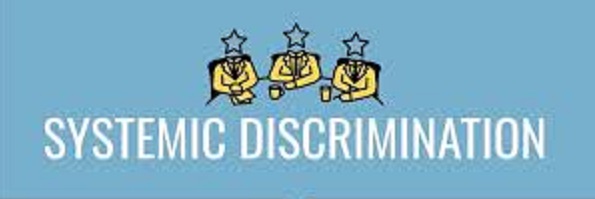
Beyond Party Politics: Unmasking Systemic Injustice in Nepal’s Democracy
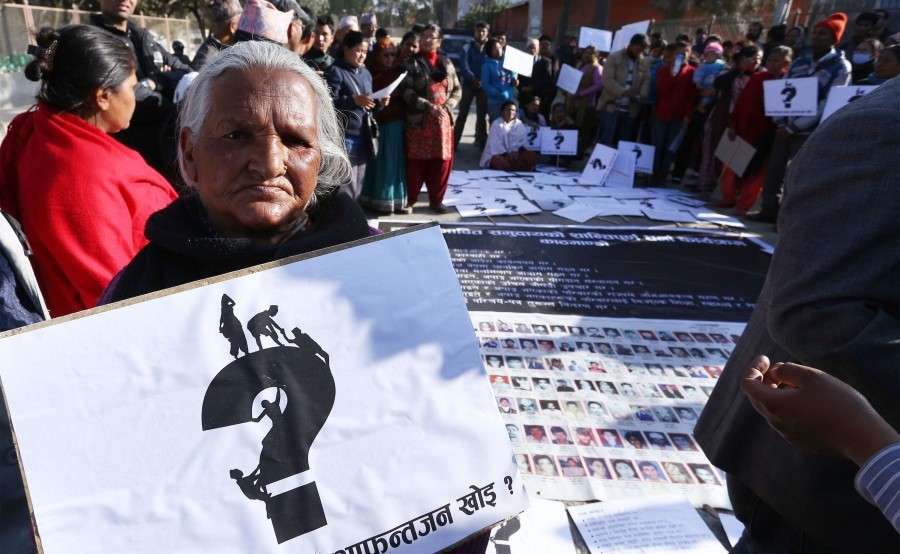
Nepal proudly calls itself a democratic nation—built on the sacrifices of countless people who fought against monarchy, dictatorship, and authoritarianism. The nation has a constitution that guarantees equality, federalism that promises decentralization, and elections that allow citizens to choose their leaders. Yet, ordinary people often ask a painful question:
“If we have democracy, why do we still face injustice?”
The answer lies in the difference between democratic structure and democratic behavior. Nepal has built the outer shell of democracy, but the inner functioning is still controlled by the same old mentality of power, favoritism, and party dominance. This article explores how the system itself—not just individual leaders—is producing injustice, and why we must look beyond party politics to fix it.
1. Beyond Party Politics: When Parties Become More Powerful Than the People
In a genuine democracy, political parties are supposed to be tools for public service. But in Nepal, parties have become powerful gatekeepers of opportunity, resources, and justice. Nearly everything—from getting a job to accessing government services—depends on whether someone is connected to a political party or leader.
Examples in Nepal:
- Development projects go to areas where the ruling party has strong support.
- Government jobs are given through party recommendations.
- Tenders and contracts are allocated to party members or donors.
- Even relief materials during disasters are distributed through party networks.
This creates two types of Nepalis:
- Party-affiliated citizens – who receive benefits and protection.
- Ordinary citizens – who are ignored, unheard, and left behind.
Thus, democracy is replaced by party-ocracy—a system where the party is more important than the people. To understand Nepal’s problems, we must look beyond which party is in power and focus on how the entire party system is designed to serve itself, not the nation.
2. Unmasking Systemic Injustice: The Hidden Structure of Inequality
Many people think Nepal’s problems are caused by corrupt individuals. But the truth runs deeper: the structure itself rewards injustice. This is what we call systemic injustice—a system where unfairness is built into political operations.
How the System Creates Injustice
a. Favoritism over Merit
- Cadres receive scholarships, jobs, promotions.
- Ordinary people must pay bribes or seek political backing.
- Talent and hard work are ignored.
b. Rule of Leader, Not Rule of Law
- Laws are bent to protect powerful leaders.
- Corruption cases end without punishment.
- Leaders interfere in police, judiciary, and administration.
c. Party Interest over National Interest
- Parties fight over ministries instead of policies.
- National projects get delayed due to political bargaining.
- Long-term development is sacrificed for short-term power.
This creates a vicious cycle:
Favoritism → Inequality → Weak rule of law → Unaccountable leaders → More favoritism.
Systemic injustice means even if leaders change, the system continues to produce the same outcomes. That is why many Nepalis say, “Netā jastai hunchha, byabasthā pani tyo nai.” ("Leaders may change, but the system stays the same.")
3. Nepal’s Democracy: Real or Just in Name?
Nepal has:
- Constitution
- Elections
- Parliament
- Federal provinces
But these democratic structures are controlled by party leaders, not by citizens or principles. For example:
- Party chiefs decide who becomes a minister, not voters.
- Internal party democracy is weak or nonexistent.
- Coalition governments are formed for power, not for ideology or policy.
The result?
Democracy exists on paper… but in practice, leaders act like kings.
Citizens feel helpless:
- They vote, but their voice disappears after elections.
- Laws exist, but are not applied equally.
- Justice is promised, but only delivered if politically convenient.
Thus, Nepal experiences democratic rituals without democratic justice.
4. Why This Reality Matters
Nepal is at a dangerous crossroads. The continuation of party-centered politics and systemic injustice has caused:
- Youth migration and brain drain.
- Public frustration and political apathy.
- Loss of trust in institutions.
- Slow development and rising inequality.
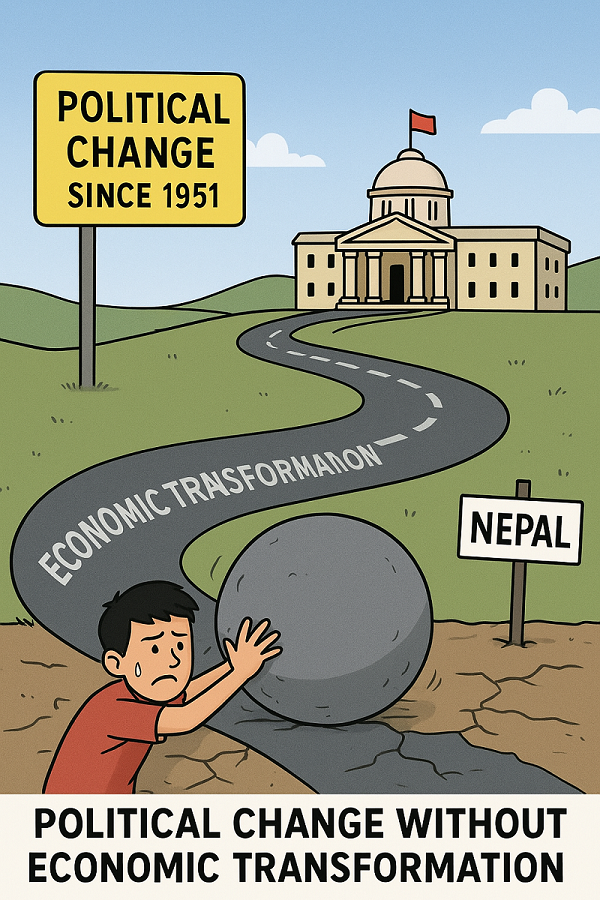
If this trend continues, democracy may survive in name, but fail in purpose.
5. Looking Beyond: The Path to Real Democracy
To build a truly just Nepal, we must move beyond party politics and create people-centered democracy by:
- Strengthening institutions (law, judiciary, anti-corruption bodies)
- Ensuring merit-based opportunities
- Promoting internal democracy within parties
- Limiting leader dominance
- Demanding transparency and accountability
- Empowering civil society, youth, and media
- Educating citizens about responsible voting and long-term thinking
Conclusion: A New Hope for Nepal
“Beyond Party Politics” is not anti-party—it is pro-democracy.
It calls us to imagine a Nepal where:
- Parties serve the people, not themselves.
- Laws protect the weak, not the powerful.
- Development reaches every citizen, not just cadres.
- Leaders build the nation, not just coalitions.
Nepal’s future depends on whether we can unmask these injustices and build a system that is fair, inclusive, and truly democratic. The people of Nepal have shown courage in every movement for change. Now, the next movement must be a movement to reform the system itself.
Only then can Nepal transform from party-centered power to people-centered democracy.
Related News