 Nepal Newsbox
2083 Jestha 16, Saturday
Nepal Newsbox
Nepal Newsbox
2083 Jestha 16, Saturday
Nepal Newsbox
Nepal Premier League (NPL) and Its Future Impact

Nepal Premier League (NPL) and Its Future Impact
For the first time in history, Nepali cricket witnessed a fully professional, franchise-based tournament through the Nepal Premier League (NPL). This league was not just a cricket competition—it was a vision, a structural transformation, and a new hope. NPL’s success created a monumental shift in Nepali cricket at structural, financial, and international levels. It proved that franchise cricket is possible in Nepal, attracted private investment, and provided a grand platform for domestic players to showcase their potential.
1. Why Was the First NPL Historic?
NPL brought Nepali cricket under a franchise model for the very first time. It introduced transparency in cricket management, brought clarity in investment, and highlighted the importance of professionalism and planning. Various corporate houses bought teams and joined as sponsors, transforming cricket from passion-based participation into a structured sports business. Until now, cricket heavily depended on government or associations, but NPL showed the possibility of making the sport self-sustaining.
The league also offered young and emerging talents from across the country an opportunity to play alongside top national and foreign players. They learned how to handle pressure, think strategically, and experience a professional cricket environment firsthand. This experience laid the foundation for building a strong bench strength for the national team in the future.
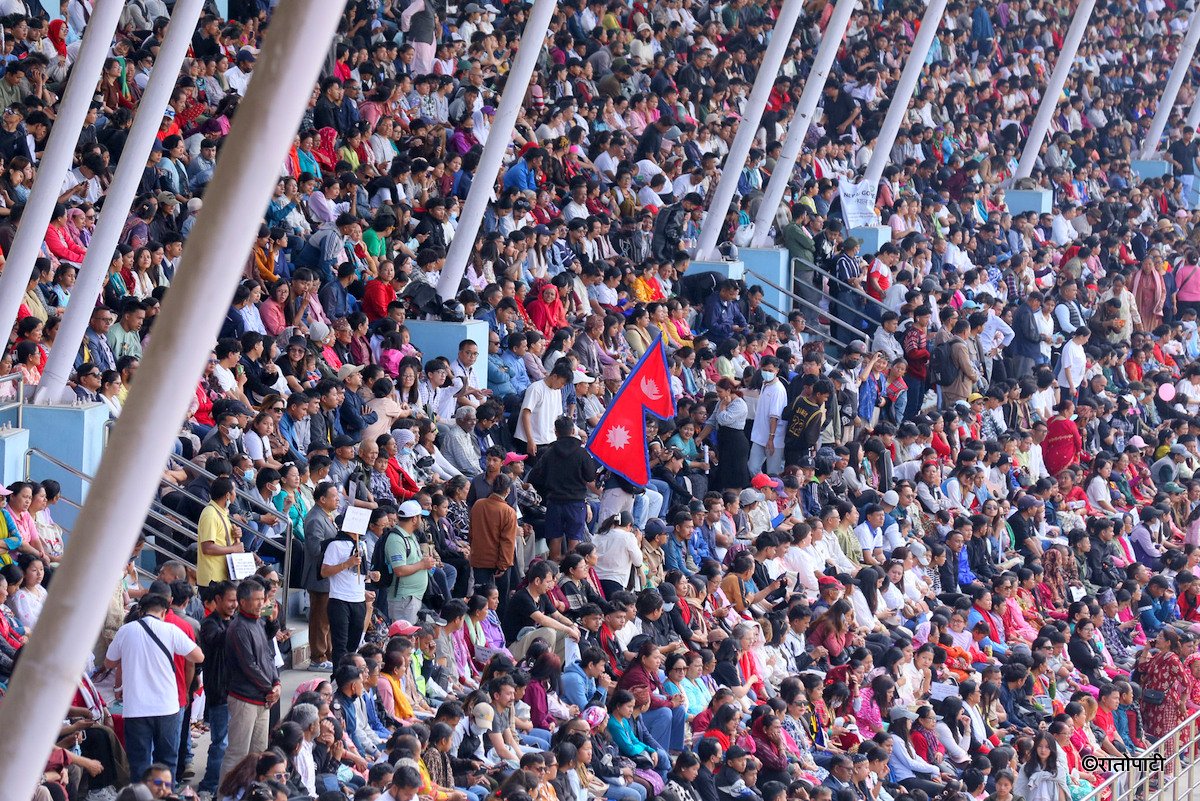
Most importantly, NPL once again proved Nepal’s passion for cricket. Stadiums were packed, ticket sales soared, and millions of fans watched matches on television and online streaming. Cricket became a symbol of entertainment, identity, and national pride.
2. The Impact of NPL on Nepali Cricket
After NPL, private interest in cricket increased significantly. Brands and companies started prioritizing cricket for advertisements, sponsorships, and investments, creating a long-term economic foundation for the sport.
For players, NPL became life-changing. Earlier, players struggled to earn a stable income unless they made the national team. But now, through franchise contracts, they received proper salaries and benefits. This improved their lifestyle and helped establish cricket as a “career,” not just a hobby.
Nepal also gained global recognition. As an associate nation, Nepal was already respected, but NPL positioned Nepal as a serious competitor in the South Asian cricket market. International media and players started taking interest in Nepali cricket.
The national team also benefitted. Franchise cricket improved players’ fitness, mental strength, and tactical understanding. Those who played in NPL demonstrated calmness under pressure in international matches as well.
3. NPL’s Greatest Lesson: Cricket is Not Just an Event—it is an Industry
NPL presented cricket as a multi-dimensional economic industry. Not just players and teams, but hotels, advertising agencies, equipment suppliers, travel companies, and media all profited from the league. Tourists came to watch matches, internal tourism increased, and the economy was stimulated. This proved that if nurtured professionally, cricket can also contribute to Nepal’s economy.
4. How to Make NPL 2 Even Better: Strategic Suggestions
As we move toward the second edition of NPL, it is essential to make it stronger and more sustainable. Here are crucial strategies:
1. Long-term franchise contracts:
Establish 3–5 year agreements so teams can invest, develop brands, and create youth talent pipelines.
2. Multi-city "Home and Away" model:
Do not limit matches to Kathmandu. Use major cities like Pokhara, Biratnagar, Bharatpur, Butwal, and Dharan to connect the entire nation emotionally to the league.
3. Bring quality international players:
Invite T20 specialists from South Africa, West Indies, Afghanistan, Ireland, etc. This will raise competition and global visibility.
4. Transparent player draft system:
Include mandatory U-19 and U-23 quotas. Create special rules to include Nepali diaspora players who play abroad.
5. Upgrade technical standards:
Use Ultra HD broadcast, modern pitch preparation, analytical data systems, and partial DRS if possible to enhance professionalism.
6. Innovate revenue models:
Introduce merchandise sales, fan clubs, digital ticketing, VIP packages, and fan engagement apps to create long-term income.
7. Launch Women’s NPL:
If Nepal starts a women’s franchise league early, it could become one of the first in Asia and position itself as a regional leader in women’s cricket.
5. Conclusion: NPL Gave Us Energy—Now It’s Time to Transform It
The first Nepal Premier League did more than deliver a successful cricket tournament—it laid the foundation for the future of Nepali cricket. Now the question is simple: How do we sustain and elevate this momentum?
If the second edition is executed with better planning, transparency, and international standards, Nepal could become the most attractive cricket destination in South Asia after the IPL. We already have players, fans, passion, and potential—the only thing missing is long-term vision and courageous management.
If we achieve that, NPL won’t just grow—the entire nation will rise with it, and Nepal will secure its strong position in world cricket.
Related News