 Nepal Newsbox
2083 Jestha 16, Saturday
Nepal Newsbox
Nepal Newsbox
2083 Jestha 16, Saturday
Nepal Newsbox
Beyond the Protests: Awakening Nepal’s Conscience Against Everyday Corruption

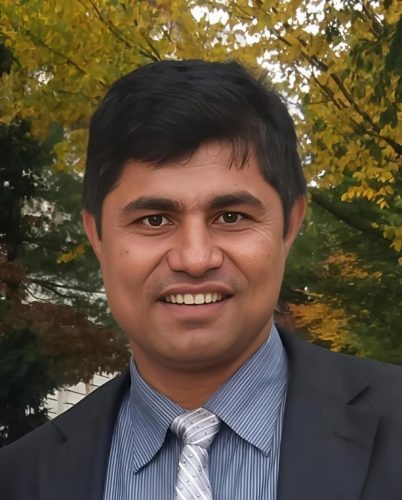
Beyond the Protests: Awakening Nepal’s Conscience Against Everyday Corruption
Gen Z’s anger exposed the rot in politics, but not the silent corruption thriving in our social fabric. It’s time for moral renewal and a new culture of accountability.
Nepal’s recent youth-led uprising — the “Gen Z protest” — has captured the attention of the nation and beyond. Born of frustration at political hypocrisy, widening inequality, and a system that seems to reward privilege over service, the movement awakened many, especially young people, to demand dignity, rights, and justice.
Yet, amid the slogans and social media storms, one truth has been insufficiently addressed: the extraordinary lifestyles of the children of low-income bureaucrats, mid-level businesspeople, and others who gain from hidden corruption. Many such individuals live far beyond what their official incomes could permit. Their foreign educations, luxury cars, lavish overseas trips, designer homes — these are increasingly visible, yet they seldom attract the same level of public scrutiny or moral outrage as politician scandals. Why? Because the culture of corruption has become normalized, moral shame muted, and complicity widespread.
As the Central Committee Chair of Janajagaran Party Nepal (JPN), I believe that seismic protests alone cannot heal this moral decay. JPN stands for Welfare Democracy — a model rooted in dignity for every citizen, justice in opportunity, and zero tolerance for corruption in all its forms. Our philosophy is that democracy should mean more than ballots; it must include transparency, accountability, and ethical leadership.
Who We Are & What We Stand For
Mission & Vision:
Janajagaran Party Nepal envisions a Nepal where every citizen enjoys political freedom, economic justice, and social welfare. We aim to build a society of equal opportunity, where no one is deprived for lack of means.
Key Pillars:
Integrity in Governance
Public office must be a service, not a privilege. We advocate strict conflict-of-interest laws, periodic asset declarations, and active accountability mechanisms.
Welfare & Social Safety Net — From health and education to housing and elderly care, welfare must not be a token promise but a functional guarantee.
Participatory Democracy
Empowering local communities, ensuring citizens’ rights to information, encouraging youth participation, and facilitating civic oversight.
Sustainable Development & Environment
Recognizing that ecological health is national health; integrating environment-friendly policies with development goals.
Zero Tolerance of Corruption
Corruption at any level, whether big or small, public or private, must be exposed, prosecuted, and prevented.
Organizational Structure & Reach:
JPN is centrally organized but emphasizes grassroots mobilization. We have local chapters, youth wings, and policy think tanks devoted to research, transparency, and public education.
Why All of Us Must Do More
Protests like the Gen Z movement are essential — they signal that people still care and still believe in justice. But for true change, we need more than disruption; we need reform, renewal, and responsibility. When corruption becomes low-risk, people will continue to practice it. When moral courage is rare, dishonest behavior becomes habitual.
Here’s how JPN proposes we all move forward:
Education & Awareness
Integrate ethics and civic responsibility into school curricula. Launch public campaigns against corrupt practices (bribery, nepotism, etc.), not just from politicians, but in offices, businesses, and everyday transactions.
Transparency Mechanisms:
Enforce public disclosure of assets for all public servants; make public procurement clear and accessible; digitalize government services to reduce face-to-face opportunities for corrupt exchanges.
Legal Reforms:
Strengthen anti-corruption bodies; ensure swift and fair judicial processes; protect whistleblowers and investigative journalists.
Leadership by Example:
Party leaders, officials, and employees must model ethical behavior. No double standards.
Citizen Participation & Oversight:
Empower neighborhoods, civil society, and youth groups to monitor local and national projects.
If we truly want “a better Nepal,” the change must begin in every home, every classroom, and every public office. The moral awakening Janajagaran Party Nepal calls for is not just political; it is spiritual and cultural. It asks not just how we vote, but how we live.
Let us aspire toward a Nepal renewed — not by revolt alone, but by virtues: honesty, empathy, dignity.
About the Author
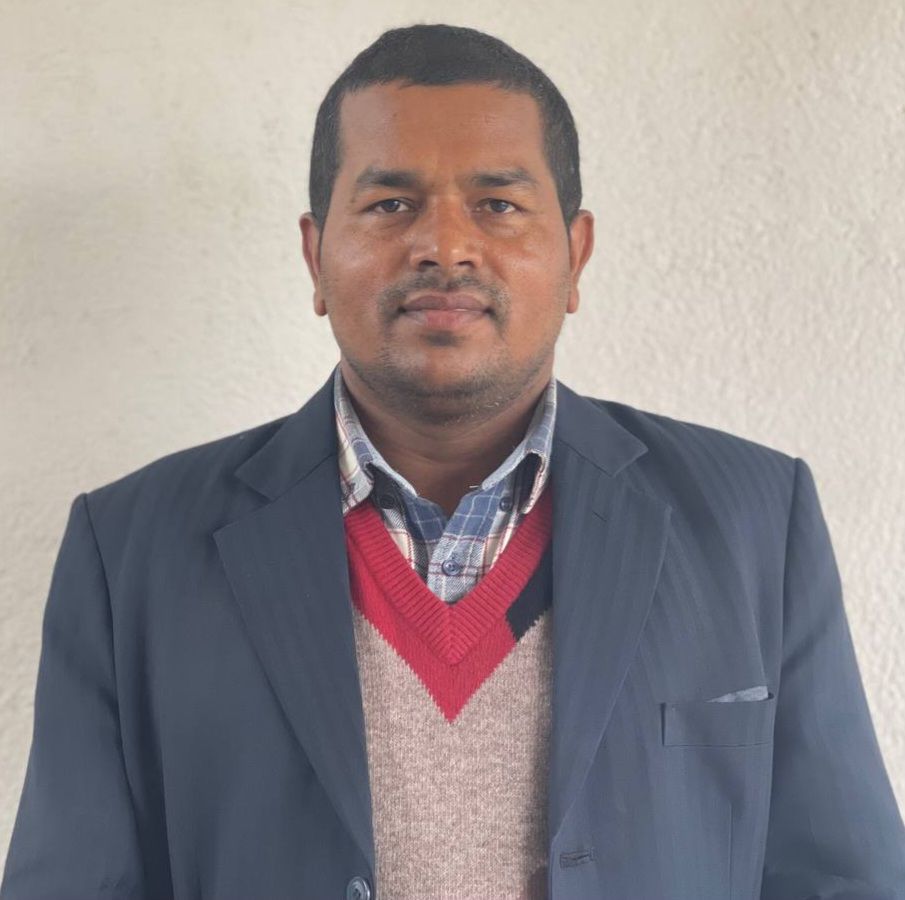
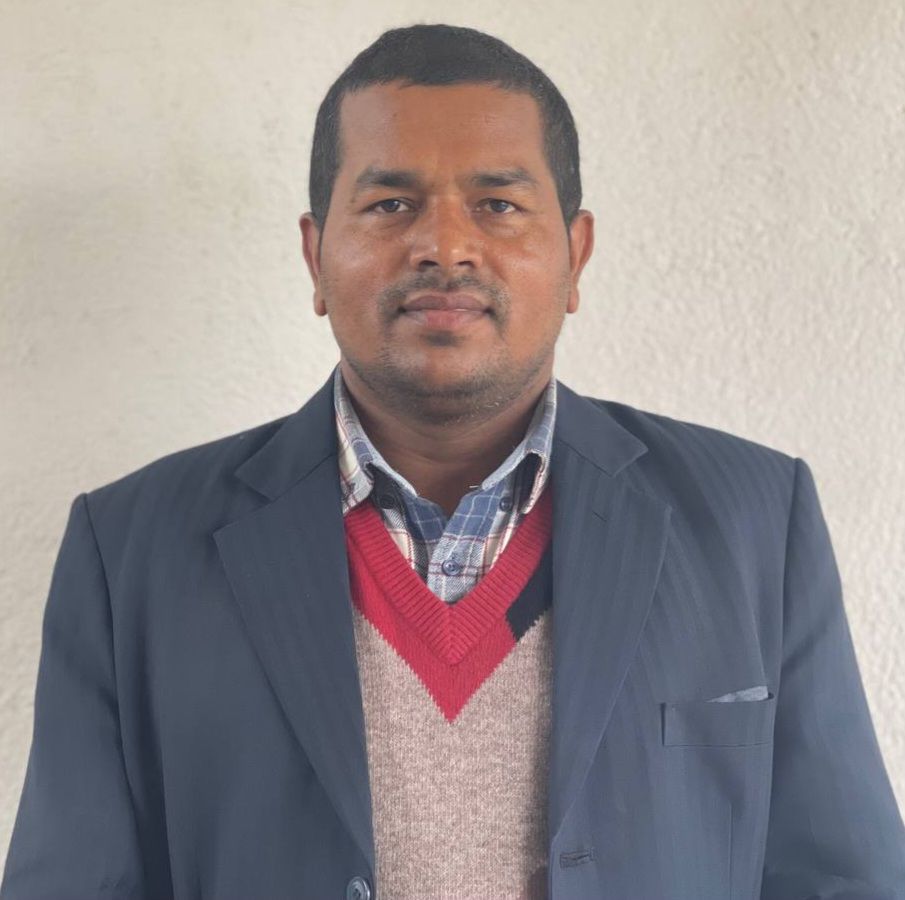
Dr. BP Khanal is the Central Committee Chair of Janajagaran Party Nepal, a political organization committed to Welfare Democracy, integrity in governance, social justice, environmental sustainability, and zero tolerance for corruption. He has advanced policy proposals in governance reform, youth empowerment, and welfare systems, and leads by example in advocating transparency and ethical leadership. He is determined to rebuild the republic on moral ground.
Related News