 Nepal Newsbox
2083 Jestha 16, Saturday
Nepal Newsbox
Nepal Newsbox
2083 Jestha 16, Saturday
Nepal Newsbox
Sher Bahadur Deuba Steps Aside: Gen-J Movement Triggers Leadership Shift in Nepali Congress

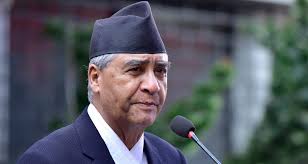
After six decades in politics, the five-time Prime Minister exits executive role, opening the door for a new generation
Sher Bahadur Deuba, President of the Nepali Congress and one of Nepal’s most influential political figures, has stepped down from his executive role following intense pressure after the Gen-J movement. At age 80, he has indicated that he will not return to the same leadership position, handing over the acting presidency to Vice President Purna Bahadur Khadka. Analysts believe this marks the beginning of a historic generational shift in the party.
Deuba’s journey began in student politics. At just 17, he entered active politics, and by 25, he became the president of the Nepal Student Union. Over 62 years, he served as party president for a decade and became Prime Minister five times. Known for always staying at the center of power, he was often labeled “fortunate,” benefiting from internal party weaknesses and political circumstances.
However, the Gen-J movement disrupted the entrenched power dynamics and intensified the demand for new leadership. Over 54% of party representatives supported a call for a special convention, creating moral and political pressure on Deuba. In response, he stepped aside and publicly signaled that he would not reclaim his previous power.
According to political analyst Krishna Khanal, Deuba’s rise was not due to vision or capability, but due to the party’s internal fragility. “Failing repeatedly yet still receiving opportunities is not leadership success,” he argues. Deuba has also been criticized for corruption, poor governance, and controversial decisions during his tenure.
Nevertheless, Deuba defended his legacy, highlighting achievements such as the liberation of bonded laborers, abolition of untouchability, land reform, and modernization of the tax system.
Ironically, even though Deuba was positioning himself for a possible sixth term as Prime Minister, the Gen-J movement forced him to withdraw. He has now called for the party convention to be held on time, signaling structural reforms.
Yet a crucial question remains: Will Deuba’s influence truly end, or will he continue to steer the party from behind the scenes? Many leaders are cautious, believing Deuba’s political tactics might allow him to retain control through the acting leadership.
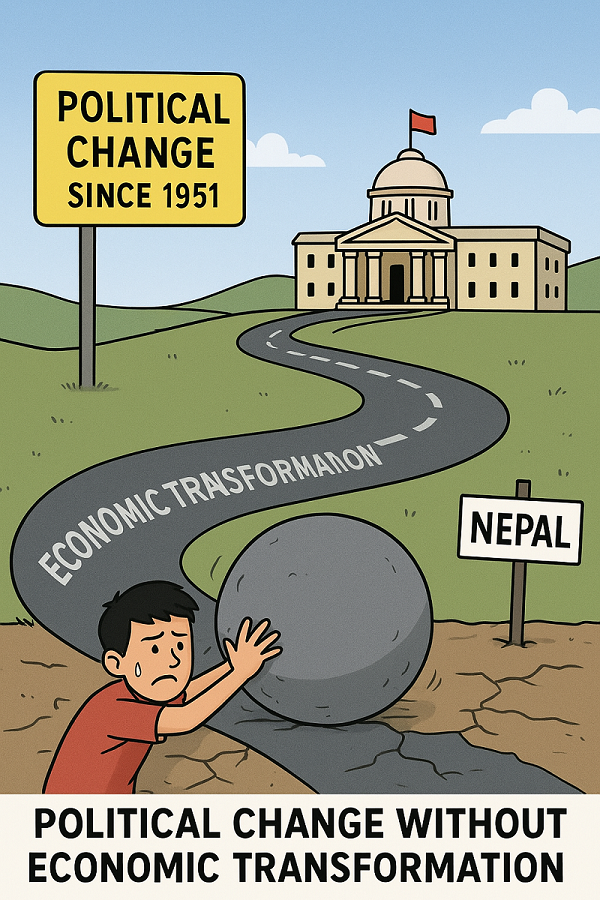
This moment is not merely the retirement of one leader—it represents a turning point in Nepal’s traditional power culture. The long-standing “musical chair” among senior leaders appears to be ending, giving space for new leadership. Whether the Nepali Congress fully embraces this transition or reverts to old patterns will define the future of Nepali politics.
Related News