 Nepal Newsbox
2083 Jestha 16, Saturday
Nepal Newsbox
Nepal Newsbox
2083 Jestha 16, Saturday
Nepal Newsbox
When Citizens Become Accomplices: The Hidden Truth of Democracy and Corruption in Nepal

How electing corrupt leaders, normalizing injustice, and ignoring responsibility weakens a nation from within
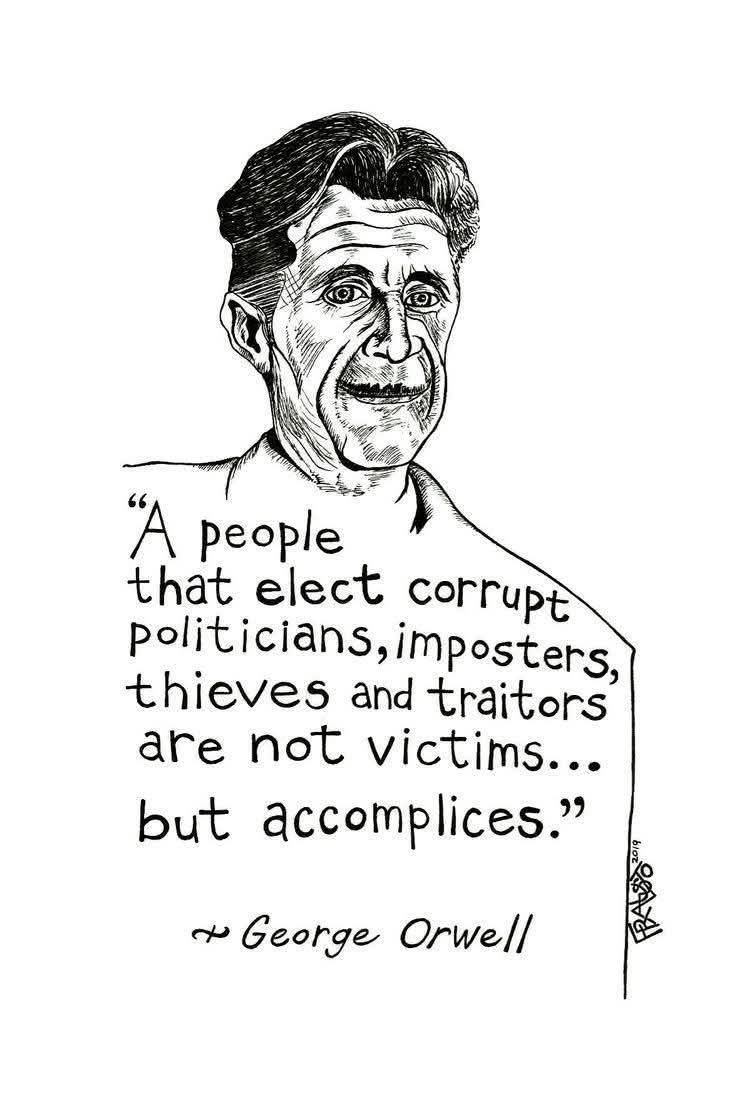
“A people that elect corrupt politicians, imposters, thieves and traitors are not victims... but accomplices.” – George Orwell
This powerful statement by George Orwell reminds us that democracy gives people the power to choose their leaders, but with that power comes responsibility. If citizens knowingly or carelessly elect corrupt leaders, they are not just suffering under bad governance—they are helping to create it. They are not only victims but also accomplices. This idea is especially relevant in Nepal, where political corruption, social decay, and crime have weakened the nation for decades. When citizens fail to make wise choices, the cycle of corruption continues.
Democracy is Power and Responsibility
In a democracy, leaders are chosen by the people. If people vote based on bribes, caste, emotion, or party loyalty instead of character, the result will always be corrupt leadership. When people refuse to question leaders or hold them accountable, corruption grows. Therefore, citizens cannot always say, “We are victims,” because their own choices support corruption and failed governance.
Nepali Politics: A History of Betrayal
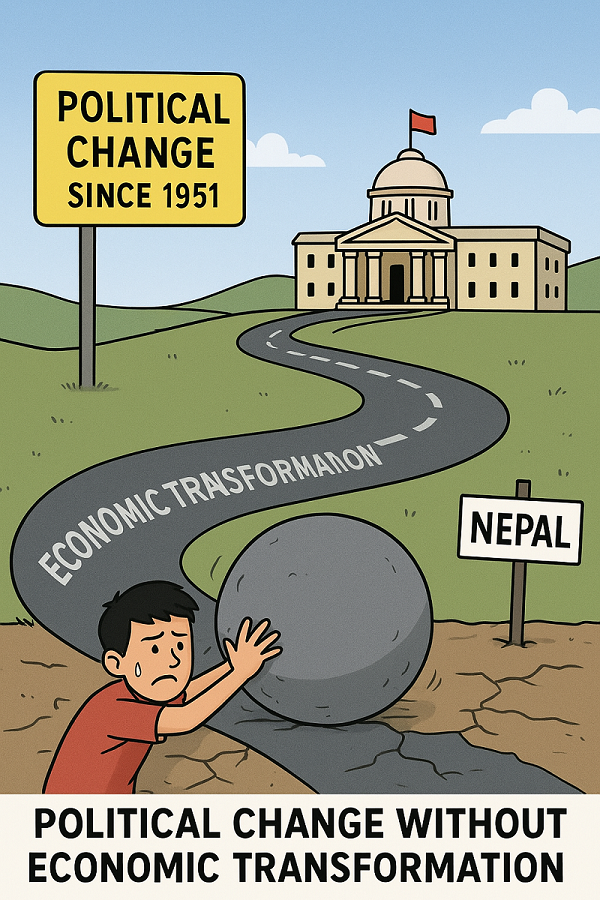
Nepal has experienced several political changes with high hopes. After the 1990 restoration of democracy, leaders promised development but fought for power and engaged in corruption. After the 2006 People’s Movement, people expected peace and progress, but parties focused on positions, not the people. After the 2015 federal system, decentralization was supposed to increase accountability, but instead it created more layers of corruption at local, provincial, and central levels. Governments changed many times, but corrupt culture stayed the same.
Why Corrupt Leaders Win in Nepal
One major reason is emotional manipulation. Politicians use slogans about identity, ethnicity, region, or democracy to gain support, ignoring good governance. Another reason is bribery. During elections, candidates distribute money, gifts, liquor, and jobs to buy votes. Blind party loyalty is also a problem; many voters support their party even if the candidate is a criminal. Lastly, lack of political education causes voters to support leaders for short-term benefits instead of long-term national interest. When the public does not understand the impact of voting, the wrong leaders win.
Social Complicity: We Normalize Corruption
Nepali society often laughs about corruption with phrases like “Sabai ta khanchan ni” or “Kaam garna ta paisa dinai parcha.” This attitude accepts corruption as normal. People admire rich corrupt leaders instead of honest individuals. Even at small levels, corruption exists: students cheat in exams, people avoid taxes, employees misuse time, and families use “source-force” for jobs. When small corruption is accepted socially, big corruption becomes unstoppable. Society itself becomes an accomplice.
Corruption + Crime = National Collapse
Corruption is not just about stolen money; it destroys national systems. Law becomes weak when powerful criminals are protected, and police or courts are influenced by politics. Development is blocked because projects become money-making tools for leaders and contractors, leading to unfinished or poor-quality work. Youth lose hope and leave the country, causing brain drain. Society loses moral values—honest people give up while dishonest people rise. Corruption and crime together slowly kill the nation from the inside.
Real Examples in Nepal
The Fake Bhutanese Refugee Scam is one example where politicians, bureaucrats, and middlemen cheated citizens by promising to send them to America. Millions were taken, and big political names were involved. Yet people still support these leaders. Another example is repeated gold smuggling through airports, which is impossible without political protection. The Red Passport abuse shows how criminals were given diplomatic passports using political influence, damaging Nepal’s reputation. Additionally, many politicians with criminal records still win elections because voters choose based on caste, money, or promises rather than integrity.
Are People Only Victims? No—They Allow It
People complain about corruption, yet during elections they say, “Hamro manche ho” or “Usle mero kaam gareko thiyo.” This shows that personal benefit is placed above national interest. People often knowingly support corrupt leaders for short-term advantages. Orwell’s message becomes clear: When people repeatedly elect corrupt leaders, they helped them gain power. They share responsibility in national failure. The people are not just victims—they are part of the problem.
How Can Citizens Stop Being Accomplices?
To save Nepal, citizens must change their mindset. They must vote based on character, not caste or cash. They should demand transparency and accountability from leaders. Political education is necessary to help citizens understand the long-term effects of leadership. Society must support honest leaders and whistleblowers rather than criminals. Corruption must be rejected at every level—from family to government. Personal integrity must come before national transformation, because change starts with individuals.
Conclusion
George Orwell’s statement is a mirror to Nepali society. Our nation is not destroyed only by corrupt leaders, but also by passive and careless citizens. Democracy is not just about voting—it is about thinking before voting. If people continue supporting corrupt politicians, the future will remain dark. Nepal does not lack resources or talent—it lacks responsible citizenship. When the people finally say “Enough of corruption, enough of false promises, enough of selling our votes,” then real change will begin. Until then, the people are not just victims of corruption. They are accomplices in weakening their own nation.
Related News