 Nepal Newsbox
2083 Jestha 16, Saturday
Nepal Newsbox
Nepal Newsbox
2083 Jestha 16, Saturday
Nepal Newsbox
The proposal & Need of Head of State in Nepal


The proposal & Need of Head of State in Nepal
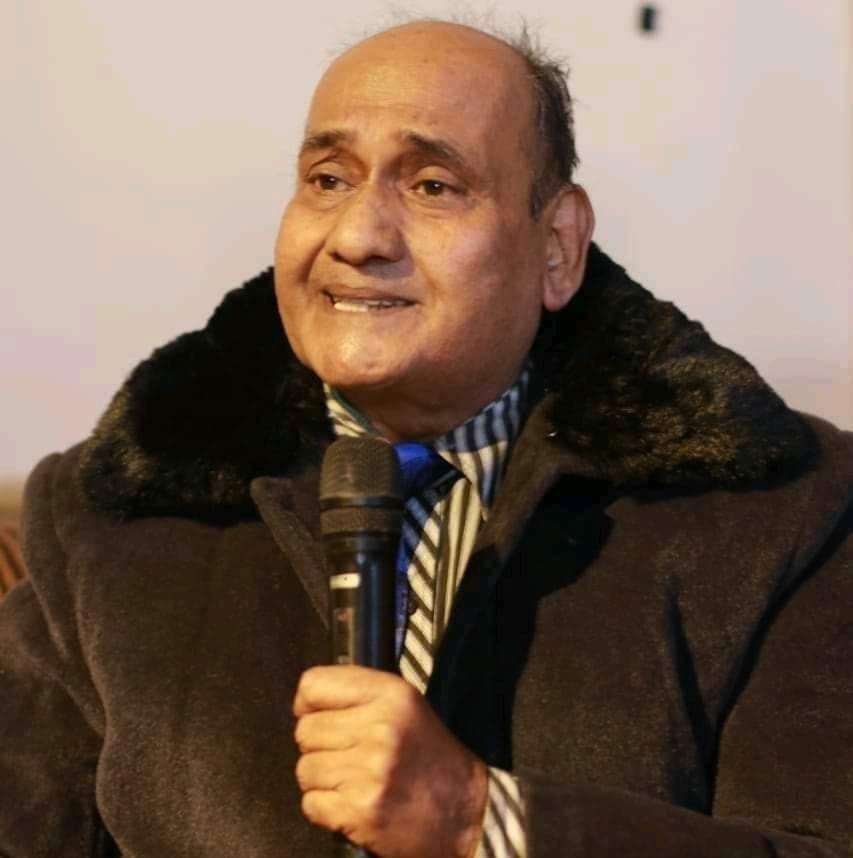
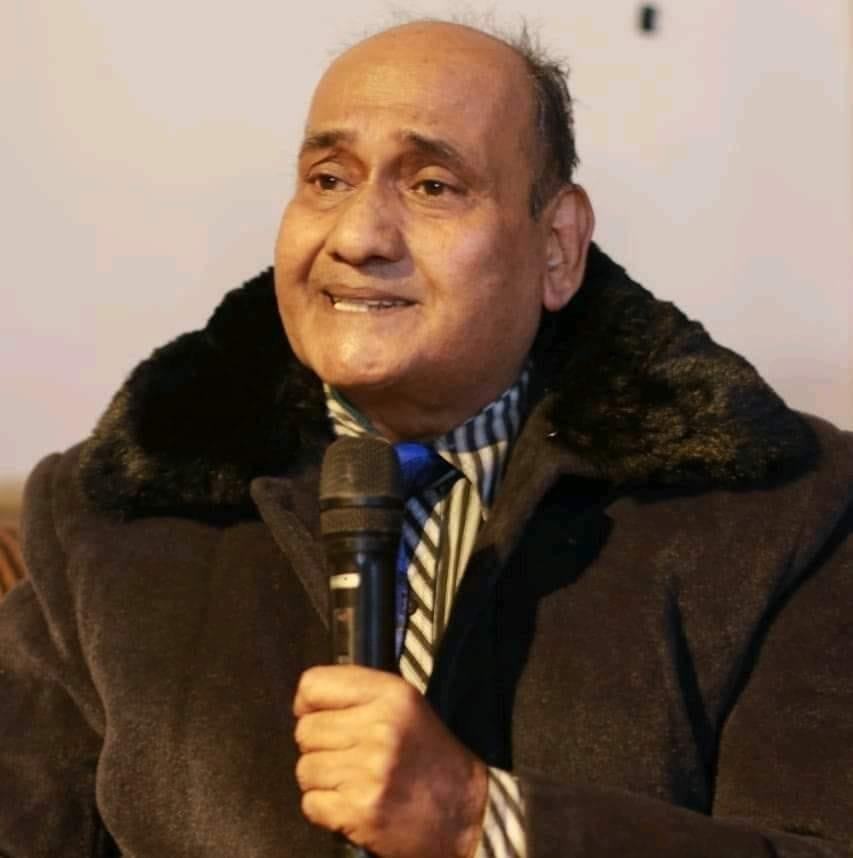
Upendra Yadav’s recent call for a directly elected “Head of State” has reopened an important national debate: Is Nepal’s current parliamentary system failing to deliver stability and accountability? After years of unstable coalitions, corruption, and frequent government collapses, this proposal resonates with growing public frustration. Yadav argues that a directly elected executive president—chosen by the people, not parliament—would prevent MP-buying and bring political stability. His statement has pushed the nation to reflect on whether the system itself is producing instability rather than democracy.
Under the current parliamentary system, the Prime Minister must secure a majority in parliament, but fragmented political parties make this difficult. Governments rise and fall based on power-sharing deals rather than public mandates. Coalition politics leads to frequent changes in leadership, policy paralysis, and unethical practices such as buying MPs to secure power. Over the past 35–36 years, the same major parties have ruled alternately, yet scandals like the gold scam, Omni case, Bhutanese refugee scam, and Lalita Niwas land grab have damaged public trust. Youth frustration is rising, and suppression of social media has turned dissatisfaction into rebellion. Yadav argues that this chaotic environment shows the failure of the system itself.
A directly elected executive president could potentially solve many of these structural problems. First, it would create stability because a president serves a fixed term and cannot be removed by fragile coalitions. Second, it would end the practice of MP-buying, because the executive would not depend on parliamentary majorities to survive. Third, it would provide clear accountability, as citizens directly choose the executive and know who is responsible for results. Fourth, it would give the leader a strong national mandate rather than dependence on party elites. Finally, it would ensure policy continuity without constant leadership changes. These changes could make governance more stable, transparent, and effective.
However, such a major shift requires careful legal and constitutional consideration. Nepal’s constitution allows amendments with a two-thirds parliamentary majority, but altering the system of governance may also require a referendum. If Nepal adopts a presidential or semi-presidential system, it must also build strong checks and balances to prevent authoritarianism. Power must be clearly divided between the President, Parliament, Judiciary, and Provinces. Federalism, inclusion, and proportional representation should be protected. International models, such as France’s semi-presidential system or the U.S. presidential system, offer lessons—both successes and failures—to guide Nepal.
If wisely implemented, a presidential system could address many of Nepal’s current crises. It could stabilize the government, reduce political horse-trading, eliminate fragile coalitions, and increase direct accountability. It could also limit corruption fueled by constant bargaining for power. However, there are risks: a powerful president without strong checks could dominate the system, and a clash between president and parliament could create deadlock. Therefore, the issue is not just about choosing “president vs prime minister” but about designing a balanced structure that promotes stability AND protects democracy.
Moving forward, a responsible and practical roadmap is essential. Nepal should initiate a national dialogue involving political parties, constitutional experts, provinces, civil society, and youth. An expert commission could study international models and propose a Nepali version of a presidential or semi-presidential system. Parliament could then draft an amendment, and if necessary, hold a referendum to seek the people’s mandate. Reform must be legal, democratic, inclusive, and transparent.
Upendra Yadav’s proposal reflects a growing reality: the current system is not meeting the people’s expectations. Change is no longer a distant idea—it is a necessity. Nepal needs decisive leadership, system clarity, and stable governance. Whether through a full presidential or a hybrid system, the constitution must evolve to ensure accountability and long-term development. If done wisely, this transformation could restore faith in democracy, end the cycle of instability and corruption, and empower citizens over political elites. The question is not whether we should change, but how boldly and wisely we can reform the system to build a better, more stable Nepal.
Related News