 Nepal Newsbox
2083 Jestha 16, Saturday
Nepal Newsbox
Nepal Newsbox
2083 Jestha 16, Saturday
Nepal Newsbox
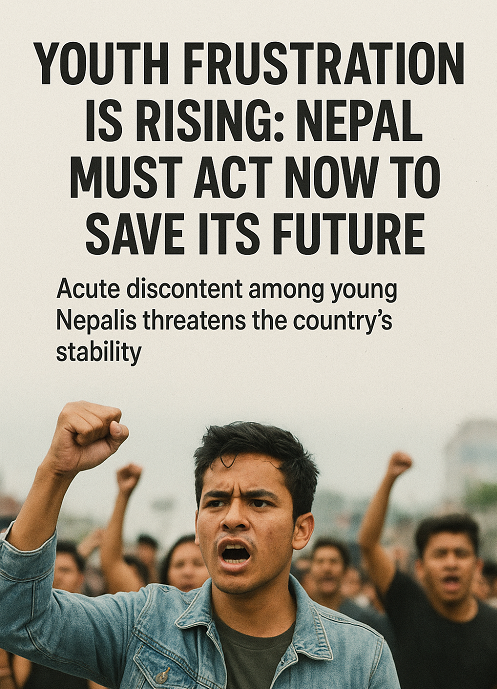
Youth Frustration Is Rising: Nepal Must Act Now to Save Its Future

Youth Frustration Is Rising: Nepal Must Act Now to Save Its Future
By
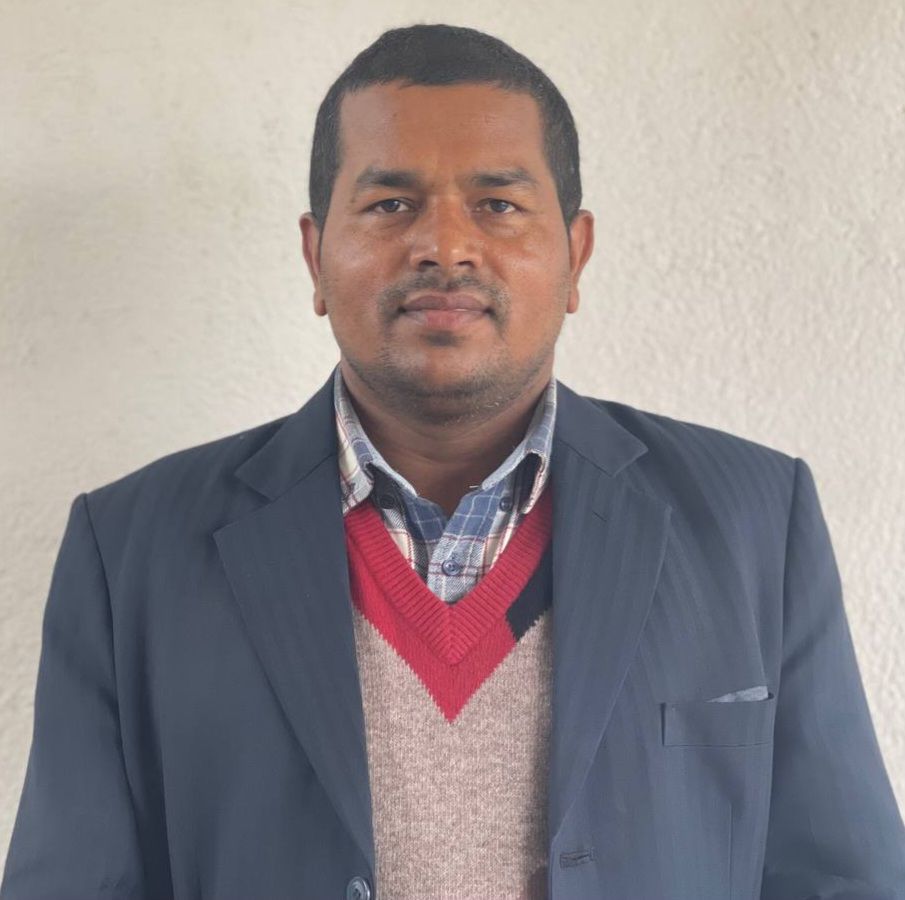
Rameshwar Yadav
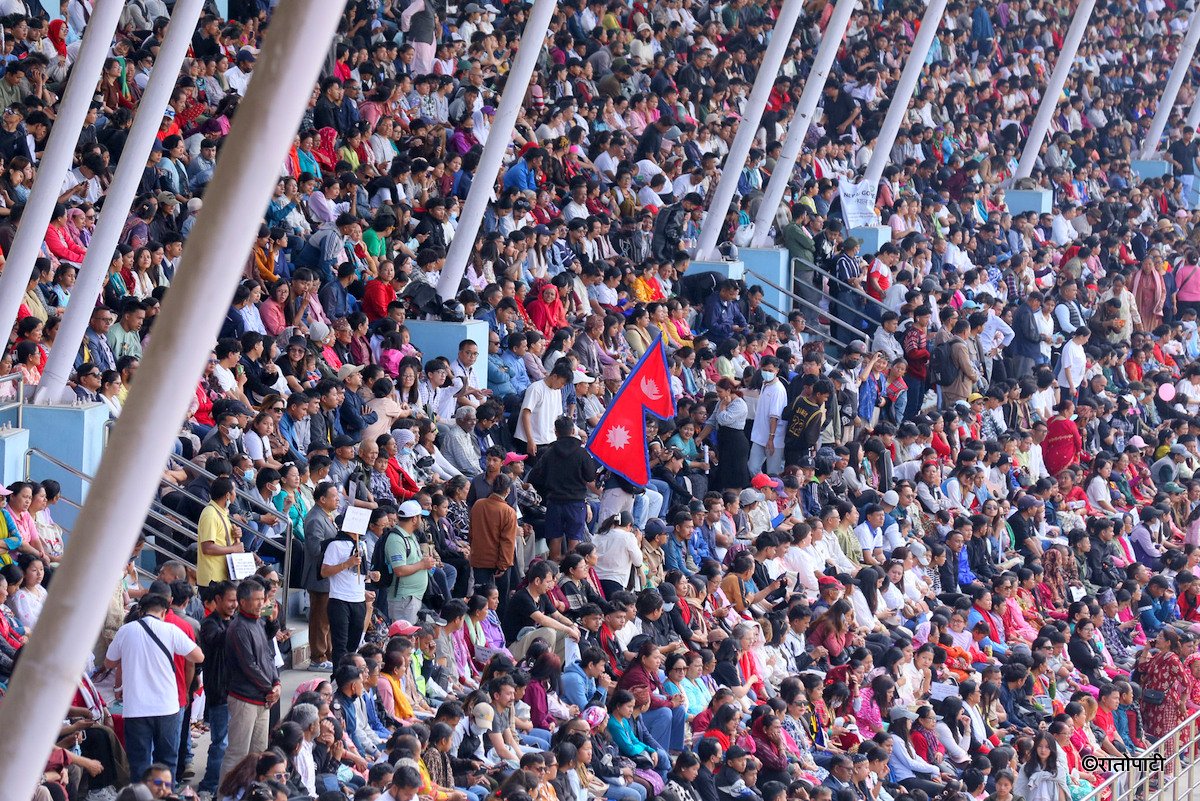
Across Nepal, a powerful wave of frustration is growing—especially among the youth. They are angry, tired, and increasingly hopeless. They see political leaders repeating the same promises every election, only to serve their own interests. Corruption has become normalized. Unemployment, inflation, and lack of opportunities push talented young people abroad. Every day, friends leave for Gulf jobs or foreign universities, saying, “There is no future here.”
This rising frustration is not merely emotional—it is political, social, and potentially dangerous. When the youth lose faith in the system, the foundation of democracy begins to crack. Nepal still has time to act, but the window is closing fast. Understanding the causes, risks, and solutions is essential for the nation’s survival.
Causes of Youth Frustration
1. Unemployment and Underemployment
Every year, over 500,000 young Nepalis enter the job market, but only a fraction find suitable employment. Even graduates with engineering, IT, or medical degrees struggle to find jobs in their fields. Many end up driving taxis, doing low-skilled work, or waiting years for government vacancies. Underemployment is widespread: a graduate working in a call center may technically be employed but is not fulfilling their potential.
The message youth receive is clear: hard work and education do not guarantee opportunity or dignity. Naturally, frustration grows.
2. Corruption and Political Failure
Scandals such as the gold smuggling case, Omni procurement case, Lalita Niwas land grab, and Bhutanese refugee scam reveal systemic corruption. Youth feel betrayed when leaders fail to act, or when the powerful escape justice. Laws appear to favor the wealthy and politically connected, creating a sense that “the system is rigged.”
This fuels anger, cynicism, and disengagement. Young people ask: “Why respect a system that doesn’t respect us?”
3. Broken Education and Skill Gap
Nepal’s education system focuses on memorization, not skills. Graduates leave universities with degrees that employers do not value. Vocational training, technical skills, and innovation-based learning are limited, while global trends move toward STEM, AI, and freelancing.
As a result, thousands of available jobs remain unfilled. Students wonder: “Why study if education does not lead to a meaningful career?”
4. Brain Drain and Migration
Every day, nearly 2,500 young Nepalis leave for work abroad. Many others go overseas for study and never return. Migration may bring remittances, but the nation loses its brightest minds. Villages empty, agriculture declines, innovation stalls, and productivity falls. Youth leave not out of desire but out of necessity, signaling a lack of confidence in Nepal’s future.
5. Lack of Representation and Voice
Youth are celebrated during elections but ignored afterward. Most political leaders are over 60, and young leaders within parties are rarely allowed to speak freely. Youth feel disconnected: “Why vote if our voice doesn’t matter?” Exclusion leads to apathy, protests, or total disengagement.
6. Social Media Suppression
Social media is the youth’s voice, but attempts to regulate or silence it worsen frustration. Online criticism is often met with censorship or arrests. Instead of listening, the state treats youth as adversaries. Suppression turns frustration into rebellion, while engagement could turn criticism into constructive solutions.
Why This Is a Critical Warning
The consequences of ignoring youth frustration are severe:
Political Apathy: Youth disengagement weakens democracy. When they stop voting, debate, or participating, the system becomes dominated by old elites, perpetuating corruption and inefficiency.
Social Unrest: Online protests can spill into street demonstrations, paralyzing cities and economies, as seen during the Bhutanese refugee protests.
Rise of Extremism: Excluded youth may turn to radical ideologies, supporting quick but dangerous solutions. History—from the Arab Spring to Nepal’s own armed conflict—demonstrates how youth anger can fuel upheaval.
Weakening Democracy: When trust erodes, institutions lose legitimacy, increasing the risk of authoritarianism.
Loss of Productivity: Youth are the engine of the economy. Disengagement reduces innovation, business creation, and skilled labor, stunting growth.
Collapse of Hope: Perhaps most dangerously, a generation without hope cannot build a nation—it survives day by day.
Yet this crisis is also an opportunity. If Nepal invests in its youth, anger can transform into innovation, entrepreneurship, and national pride. Frustration can become creativity; protest can become policy reform; migration can become brain gain.
What the Government Can Do
1. Create a Youth Employment and Innovation Mission
- Fund youth-led startups with seed grants and mentorship.
- Offer tax incentives for young entrepreneurs.
- Reserve government contracts for verified youth-led businesses.
2. Launch Skills Over Degrees Reform
- Update curricula to match market needs.
- Mandate internships and vocational training.
- Build innovation labs with modern equipment in each province.
3. Make Government Transparent and Accountable
- Pass strict anti-corruption laws with fast-track courts.
- Digitalize services to reduce bribery.
- Require annual public disclosure of officials’ assets.
4. Include Youth in Decision-Making
- Ensure 25% of appointments in ministries and boards are under 40.
- Establish youth advisory councils at municipal and provincial levels.
- Promote young candidates in elections.
5. Invest in Mental Health and Social Support
- Provide free counseling in universities and municipalities.
- Train teachers and leaders in mental health first aid.
- Launch awareness campaigns to reduce stigma.
6. Reform Migration Policy
- Offer incentives for skilled youth abroad to return.
- Develop “Return and Rebuild” programs connecting diaspora with local opportunities.
7. Support Digital Economy
- Legalize and facilitate freelancing and remote work.
- Promote e-commerce and IT services.
- Provide high-speed internet nationwide.
What Youth and Citizens Can Do
Engage Locally: Participate in municipal meetings, volunteer in projects, and provide feedback.
Build Skills: Learn digital, business, and soft skills through online courses and global platforms.
Support Youth Businesses: Buy local products, promote startups, and encourage innovation.
Hold Leaders Accountable: Use RTI, attend sessions, question officials, and expose corruption responsibly.
Form Coalitions: Unite youth across provinces for policy advocacy and mutual support.
Change the Culture of Silence: Speak up against unfairness, nepotism, and corruption; reward integrity.
A Shared Responsibility
Youth frustration is a national emergency, not a youth problem. Responsibility must be shared:
- Government must act with urgency, honesty, and vision.
- Political leaders must allow young leaders to rise.
- Society must value innovation over tradition.
- Parents must support dreams, not just degrees.
- Youth must transform frustration into constructive action.
The Future Is Still Possible
Nepal’s youth are talented, energetic, and globally aware. They are not lazy—they are blocked. They are not hopeless—they are ignored. They are not weak—they are waiting to be trusted.
If Nepal creates opportunities, respects merit, and allows fresh leadership to emerge, today’s frustration can become tomorrow’s transformation. The time to act is now—before frustration turns into abandonment, and abandonment into collapse. A nation that empowers its youth secures prosperity, stability, and progress for generations to come.
Related News