 Nepal Newsbox
2083 Jestha 16, Saturday
Nepal Newsbox
Nepal Newsbox
2083 Jestha 16, Saturday
Nepal Newsbox
New Faces in Nepali Politics: Expectations, Resistance, and the Battle for Real Change

New Faces in Nepali Politics: Expectations, Resistance, and the Battle for Real Change
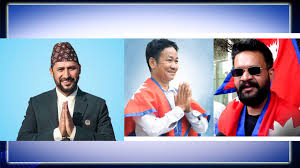
In recent years, Nepal has witnessed the rise of a new generation of leaders who entered politics with strong public support and a promise of transformation. Among them, Rabi Lamichhane, Harka Sampang, and Balen Shah became symbols of hope for millions tired of corruption, party-based power games, and empty speeches. People embraced them as fresh alternatives to the old political culture. However, their journey reveals a mix of inspiration and intense resistance from the political system.
Rabi Lamichhane: Popular, Visible—but Where Is the Transformation?
Rabi entered politics with high energy, exposing corruption and promising systemic change. He remains one of the most popular public figures. However, many citizens now say, “He is inside the system, but we have not truly seen his work.” His presence is visible, but the impact of his leadership is still uncertain. He faces a deeper challenge: the old political networks and bureaucracy often block his initiatives. Without control over institutions, his reforms remain limited. People expected bold results, but the traditional system has slowed his momentum.
Harka Sampang: Passionate but Isolated
Harka, the mayor of Dharan, inspired the public with his humble lifestyle and direct involvement in local work. But criticism is growing that he spends more energy on social media posts than on structured development. His intentions may be pure, but leadership needs planning, policies, and institutional cooperation. The truth is: he is loved by the people but disliked by party cadres and ignored by bureaucrats. Even though he recently registered his political party, the system does not take him seriously. He lacks the political network and institutional support that old parties have built over decades. Passion alone cannot overcome an organized structure that resists change.
Balen Shah: Less Talk, More Action—but Alone in the System
Balen rarely speaks, but his work in Kathmandu is visible—demolishing illegal structures, improving urban management, digital reforms, and discipline in administration. He has shown that leadership is more about action than slogans. The people trust him. But like Harka and Rabi, he also faces strong resistance. He has no political party, no long-term political machinery, and no loyal bureaucracy. Meanwhile, old parties have spent years placing their loyal cadres inside government institutions. These bureaucrats continue to serve old party interests—even when those parties are not in power. As a result, Balen must fight the system every single day.
Loved by the People, Hated by the Political Machine
All three of these leaders share one reality:
- The public loves them because they represent honesty and hope.
- The party cadres hate them because they threaten the old power structure.
- The bureaucracy does not support them because it is still loyal to traditional parties that appointed them over the years.
Even the current government, led by Sushila Karki, is struggling because many bureaucrats refuse to cooperate. They delay files, ignore orders, and secretly favor old political leaders who are no longer in power. This is the biggest barrier to real change in Nepal: not just corrupt leaders, but a deeply entrenched political-bureaucratic alliance.
Why Old Parties Still Control the System
Old political parties have ruled Nepal for decades. During their time in power, they carefully placed loyal people in key government positions. Now, even when they are not ruling, these bureaucrats continue to protect their interests. This makes it extremely difficult for new leaders to implement reforms. They face three layers of resistance:
- Political opposition from old parties.
- Administrative resistance from bureaucrats.
- Social media attacks from organized party cadres.
This system is designed to protect the old and punish the new.
People Want Results, Not Excuses
Rabi’s presence without strong outcomes, Harka’s passion without planning, and Balen’s action without institutional support highlight one painful truth: New leaders alone cannot change Nepal unless the entire system changes. Nepal needs leadership that combines:
- Vision and visibility
- Strong policies and planning
- Institutional strength and teamwork
- Accountability and long-term results
The Real Question: Can Hope Survive the System?
Nepalese people still believe in these new leaders because they are honest, bold, and closer to the people than traditional politicians. But the real test is whether they can:
- Build strong teams
- Reform bureaucratic culture
- Sustain progress despite political pressure
- Inspire a new standard of governance
Conclusion: Change Needs More Than Faces—It Needs Courage and Structure
The rise of Rabi, Harka, and Balen shows the hunger for transformation. They have opened the door to a new political era. But they are fighting a system built to protect the past. The people love them, but without institutional support, their progress is slow. The future of “Naya Nepal” will depend not only on who leads, but on whether the system allows them to lead.
Nepal no longer needs leaders who speak beautifully—it needs leaders who deliver change. And it needs a state machinery that supports the people, not the parties. The time for political drama is over. The time for structural reform has begun.
Related News