 Nepal Newsbox
2083 Jestha 16, Saturday
Nepal Newsbox
Nepal Newsbox
2083 Jestha 16, Saturday
Nepal Newsbox
A Bold Government, A Blocked Future: Why the President Must Stop Obstructing Reform

A Bold Government, A Blocked Future: Why the President Must Stop Obstructing Reform
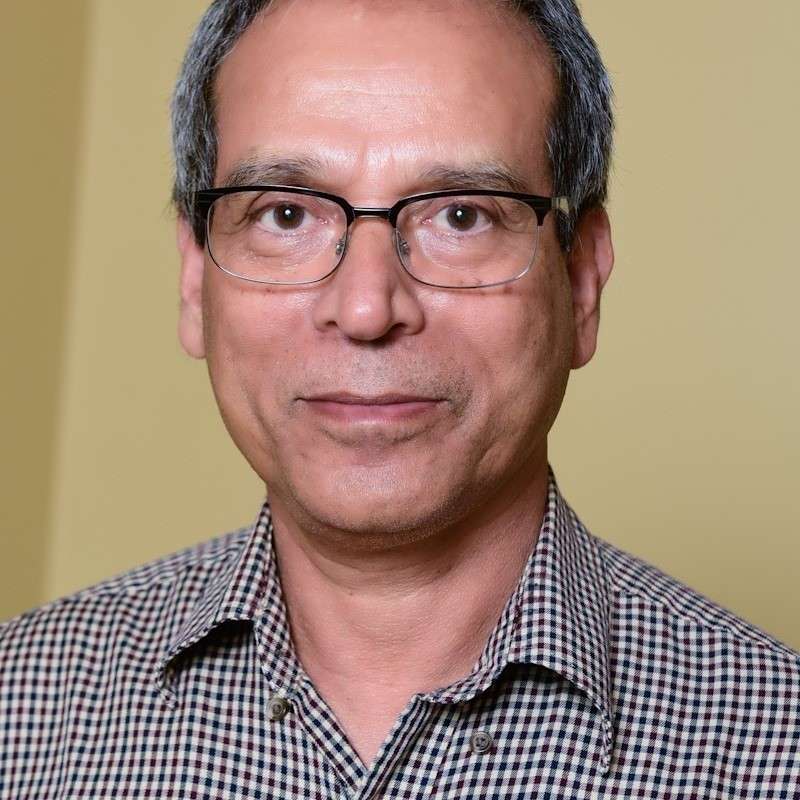
Nepal finally has a government that is willing to act. Under the leadership of Prime Minister Sushila Karki—Nepal’s first female Chief Justice and now a symbol of integrity—the nation has seen a refreshing shift. Unlike past governments filled with career politicians, this government has appointed experts, innovators, and reformers as ministers. One of the strongest examples is Education Minister Mahabir Pun, a world-renowned innovator and social reformer who understands the real needs of Nepal’s youth, education system, and development.
For the first time in many years, the people are hopeful. This government is not focused on power-sharing, legacy politics, or corruption. It is focused on results.
Yet there is one major obstacle standing in the way of reform—the President of Nepal, Ram Chandra Paudel.
According to Education Minister Mahabir Pun, the President is refusing to approve key ordinances proposed by the government. These ordinances are not political tricks—they are urgent reforms designed to modernize education, improve governance, and address long-standing national problems. The President’s refusal is not just a delay—it is a direct attack on democratic will and national progress.
This Government Is Different—and Better
Unlike previous administrations, the Sushila Karki government is built on competence, experience, and integrity. Ministers are not chosen because of political loyalty—they are selected because of their abilities and expertise.
Why this government deserves support:
✅ Sushila Karki is known for fighting corruption and promoting justice.
✅ Mahabir Pun is a global education reformer and innovation leader.
✅ Other ministers are experts in economics, governance, health, and technology.
✅ The cabinet is filled with professionals, not party puppets.
✅ The government is proposing practical reforms, not empty promises.
For years, citizens complained:
“We need experts in government, not just politicians.”
Now we finally have them—but they are being blocked.
The Role of Ordinances: A Constitutional Right
When Parliament is not in session, the government has the constitutional power to introduce ordinances (अध्यादेश) to address urgent national issues. This is fully allowed by Article 114 of the Constitution of Nepal.
The President’s duty is ceremonial—to approve or endorse them as long as they are constitutional and beneficial to the nation. The President is not supposed to judge political intentions or delay reforms for personal or partisan reasons.
By refusing to pass these ordinances, the President is:
❌ Overstepping constitutional boundaries
❌ Weakening the authority of the elected government
❌ Blocking reforms demanded by the people
❌ Protecting the old political status quo
This is not neutrality—it is obstruction.
What Reforms Are Being Blocked?
According to Mahabir Pun, the ordinances aim to:
- Reform the education system with innovation, technology, and practical learning.
- Modernize curriculum and research institutions.
- Improve transparency and efficiency in ministries.
- Empower local governments for quicker decision-making.
- Introduce anti-corruption and accountability mechanisms.
- Simplify laws to speed up development projects.
These are not controversial ideas—they are essential for national progress.
Why Education Reform Is Urgent
Nepal’s current education system is outdated, overly theoretical, and disconnected from the job market. Youth are graduating but not employable. Thousands leave the country every day looking for opportunities abroad.
Mahabir Pun understands this better than anyone. He has spent decades working in rural education, digital innovation, entrepreneurship, and technology. He knows how to build a system that produces skilled, competent, innovative citizens.
So the question is:
- Why would any president block such reform?
- Whose interests are being protected?
- Certainly not the youth.
- Certainly not the nation.
A President Should Support Progress—Not Stop It
The President is meant to be a guardian of the constitution and a symbol of unity, not a political gatekeeper. When the President blocks reform, he is:
- Ignoring the constitution’s intention.
- Disrespecting the mandate of the government.
- Undermining public trust in democratic institutions.
This behavior risks creating a constitutional conflict between the executive and the presidency. It also sends a dangerous message: unelected figures can block elected reformers.
The People Want Change—Let the Government Work
This government must be allowed to do what people elected it to do: Fix broken systems.
Nepal is tired of corruption, delays, and excuses. We finally have leaders who are willing to take action and experts who know how to implement solutions.
Mahabir Pun is not an ordinary minister—he is a visionary who has proven his commitment to Nepal through action, not speeches. Prime Minister Sushila Karki is not an ordinary politician—she has a lifelong record of integrity. They deserve support, not sabotage.
A Call to Citizens: Stand with Reform
This is bigger than politics.
This is about the future of Nepal.
We must raise our voices and demand:
✅ Let the government govern.
✅ Pass the ordinances.
✅ Respect democratic mandate.
✅ Prioritize national interest over political games.
If the President continues to block reform, the people must speak up. Pressure from citizens, civil society, academia, youth, and professionals can make a difference. Democracy is not about one person holding power—it is about the majority being heard.
Conclusion: It’s Time to Choose the Nation Over Ego
Nepal has suffered too much from indecision, division, and incompetence. For the first time in years, we see a government with brains, courage, and vision. If we allow outdated political power centers to destroy this opportunity, we will regret it for generations.
President Paudel must stop obstructing reform.
Prime Minister Sushila Karki and her expert ministers must be empowered to act.
The people must defend progress.
This is a historic moment.
We can either move forward with innovation and integrity,
or remain stuck in political paralysis.
Nepal cannot afford to lose this chance.
Reform must go ahead. The future depends on it.
Related News