 Nepal Newsbox
2083 Jestha 16, Saturday
Nepal Newsbox
Nepal Newsbox
2083 Jestha 16, Saturday
Nepal Newsbox
“Energy Discipline and Industrial Responsibility: Finding a Win–Win Path”

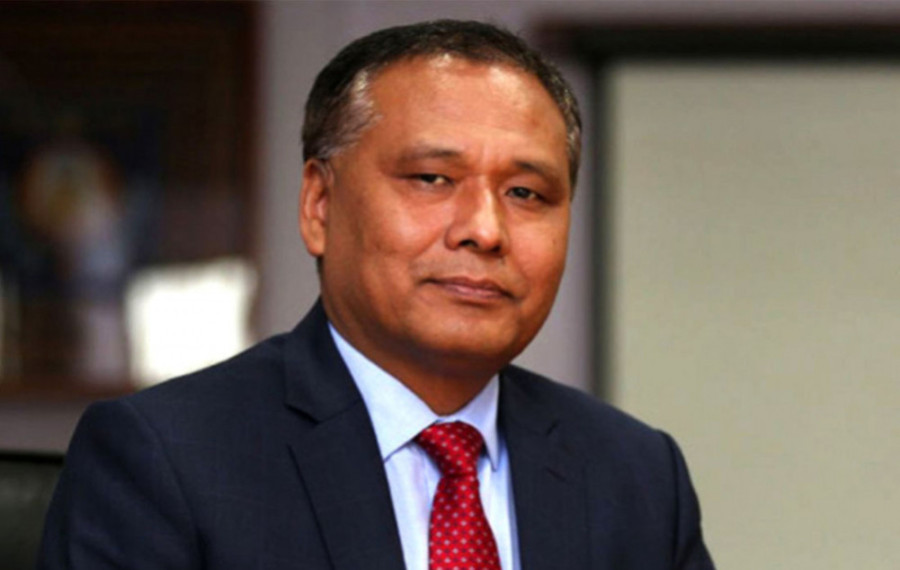
“Energy Discipline and Industrial Responsibility: Finding a Win–Win Path”
The ongoing conflict between the Nepal Electricity Authority (NEA) and the 31 industries that have failed to pay more than 5.48 billion rupees in electricity dues is no longer a simple administrative issue — it has become a test of Nepal’s energy governance, policy enforcement, and private sector accountability. Energy Minister Kulman Ghising’s firm stance — “We will not rest until all dues are recovered” — represents not just a bureaucratic move but also a serious effort to restore the rule of law and fiscal discipline within the state.
But the question remains: Is cutting off power to industries the only solution? Or can the government and private sector find a more balanced, cooperative, and transparent way forward?
The Government’s Role: Enforcing Law While Building Trust
The NEA is legally empowered to disconnect electricity lines of customers who fail to pay on time — and doing so is within its rights. However, for lasting reform in the energy sector, strict action must be complemented by trust-building and collaboration.
The government can take three important steps:
- Ensure transparency: Publish a detailed list of industries with unpaid dues. Transparency will reduce political interference and strengthen public confidence.
- Reform policy frameworks: The policy of providing “dedicated feeder” privileges to industries that fail to meet payment obligations should be re-evaluated.
- Create a joint negotiation mechanism: Establish a tripartite dialogue platform between the Energy Ministry, NEA, and the Federation of Nepalese Chambers of Commerce and Industry (FNCCI) to negotiate installment plans, penalties, and future payment conditions.
Through this approach, the government would act not just as a strict regulator, but as a reliable development partner.
The Industries’ Responsibility: Rights Must Come With Discipline
Nepal’s industrial community must recognize that the state is not merely a service provider — it is a development partner. When industries received 24-hour dedicated power lines in 2019, they agreed to pay 65% premium rates. Failing to meet that obligation is not only a legal violation but also a moral one.
Here are three practical steps for industries:
- Fulfill installment commitments: The government has already provided a 28-month installment plan — industries must start paying on time.
- Maintain financial transparency: Publish clear accounts of electricity usage and production costs to rebuild public trust.
- Advocate through dialogue, not pressure: Industrial leaders should seek policy reform through collaboration rather than political lobbying.
If industries continue using political influence to evade payments, they risk undermining industrial credibility and the overall investment climate in Nepal.
Building a Win–Win Solution
The path forward is not confrontation but cooperation. The government must enforce laws with firmness, yet keep dialogue open. Industries must honor their obligations while proposing practical models of partnership and efficiency in energy use.
A few realistic measures could include:
- Negotiating partial penalty waivers in exchange for strict adherence to a fixed payment schedule.
- Implementing a policy where industries with unpaid dues are barred from accessing future government contracts or subsidies.
- Using digital systems to ensure real-time monitoring and transparency in electricity billing and payments.
Conclusion
Nepal’s credibility in both energy governance and industrial ethics is now being tested. Minister Ghising’s clarity and resolve deserve appreciation, but for a sustainable solution, collaboration and consistency are essential.
Let the government uphold the rule of law and the industries act with responsibility and honesty — only then can Nepal’s energy sector and economy both emerge as winners in this battle for accountability.
Related News