 Nepal Newsbox
2083 Jestha 16, Saturday
Nepal Newsbox
Nepal Newsbox
2083 Jestha 16, Saturday
Nepal Newsbox
“Winter’s Hidden Threat: Doctors Warn Rise in Heart Attacks During Cold Months”

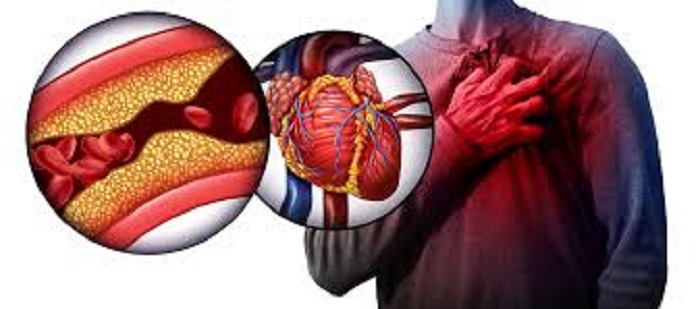
“Winter’s Hidden Threat: Doctors Warn Rise in Heart Attacks During Cold Months”
As winter grips the country with its familiar chill, doctors are warning of a less visible danger that comes with the cold — a surge in heart-related illnesses. Medical studies and local health experts report that heart attacks tend to rise sharply during the winter season, largely due to the body’s natural reaction to low temperatures and changes in lifestyle habits.
Heart Attacks Spike as Temperatures Drop
According to a 2024 report from the American College of Cardiology, cold weather increases the risk of heart attacks for up to six days after exposure. A similar study published in the British Medical Journal found that for every 1°C drop in temperature, the risk of heart-related deaths rises by nearly 2%.
The reason, experts say, lies in how the body responds to cold. “When the arteries constrict in low temperatures, the heart has to pump harder,” explains Dr. Nisha Jhalani, a cardiologist at Columbia University. “For individuals with partially blocked arteries, that additional strain can be enough to trigger a heart attack.”
A long-term Swedish study also found that older adults are twice as likely to suffer heart attacks after a cold spell compared to younger, healthier individuals. The risk is particularly high in early mornings, when both temperature and body activity levels are low.
Why Winter Is Tough on the Heart
Cold weather narrows blood vessels, raising blood pressure and increasing oxygen demand. Combined with heavier winter diets, limited exercise, and the stress of the season, it creates a perfect storm for heart problems.
“Most winter heart attacks happen when people suddenly perform strenuous activity, like shoveling snow or carrying heavy loads, right after stepping into the cold,” says Dr. Robert Kloner, a heart researcher at the Huntington Medical Research Institute. “Your body needs time to warm up — both literally and physically.”
Doctors also point to lifestyle changes during the winter months. People tend to move less, eat more fatty foods, and drink less water — all of which add hidden pressure on the heart.
The Global Pattern and Local Implications
Research from Canada and Europe shows a consistent trend: colder climates lead to higher rates of cardiac emergencies. In Nepal and other South Asian countries, the problem is compounded by limited access to heating, irregular health checkups, and lack of awareness about winter heart care.
“Even in relatively mild winters, we see a rise in cardiac admissions,” says Dr. Deepak Bhatt, a senior cardiologist and heart health expert. “The same chill that freezes rivers can freeze arteries too, but with the right habits, we can keep the warmth of life flowing strong.”
Doctors Recommend Practical Daily Steps
Health specialists emphasize that prevention is both simple and affordable.
1. Dress Properly: Wear layers to maintain warmth and avoid sudden exposure to cold air. Cover your head, hands, and feet properly.
2. Stay Active: Light daily exercise like walking, stretching, or yoga keeps blood flowing and strengthens the heart.
3. Eat Smart: Avoid heavy, greasy meals. Opt for soups, vegetables, nuts, garlic, and warm drinks.
4. Manage Stress: Maintain sleep schedules and practice relaxation techniques like meditation or deep breathing.
5. Stay Hydrated: Drink warm water or herbal teas to prevent dehydration, which can make blood thicker.
6. Watch for Warning Signs: Chest pain, shortness of breath, or unusual fatigue should never be ignored — immediate medical attention can save lives.
7. Get Regular Checkups: Especially for those with hypertension, diabetes, or a history of heart disease.
“Even mild dehydration or skipped exercise in winter can have serious consequences,” says Dr. Steven Nissen of the Cleveland Clinic. “Small daily habits often make the biggest difference.”
A Call for Awareness and Prevention
Public health experts stress that heart care must become a winter priority. Hospitals are now urging people to schedule heart screenings before the cold intensifies. Local municipalities can also play a role by promoting awareness campaigns and ensuring accessible medical services in rural areas.
“Heart health is not a seasonal issue, but winter definitely tests it,” says Dr. Bhatt. “If people take preventive measures — keep warm, stay active, and eat mindfully — most cold-weather heart attacks can be avoided.”
The Bottom Line
Winter may bring beauty, but it also brings risk. From research labs to local clinics, experts agree on one message: protecting your heart in the cold is not difficult, but it requires awareness and daily discipline.
As the saying goes, “Take care of your heart before it asks for help.”
A brisk walk in the winter sun, a light meal, and a warm cup of tea may seem small — but together, they could be the difference between a healthy season and a silent crisis.
Related News