 Nepal Newsbox
2083 Jestha 16, Saturday
Nepal Newsbox
Nepal Newsbox
2083 Jestha 16, Saturday
Nepal Newsbox
Political Strategy Behind a Manufactured Youth Voice

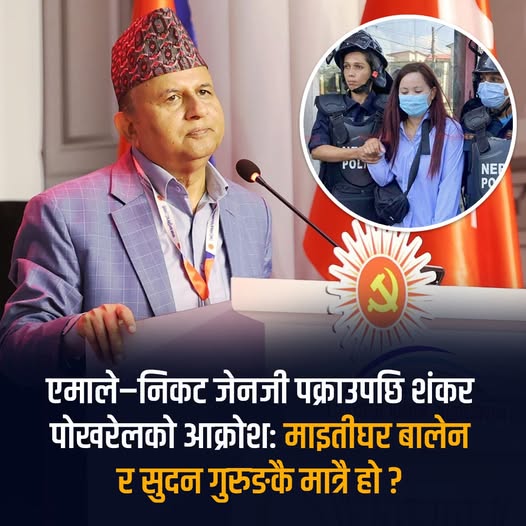
News Analysis: Political Strategy Behind a Manufactured Youth Voice
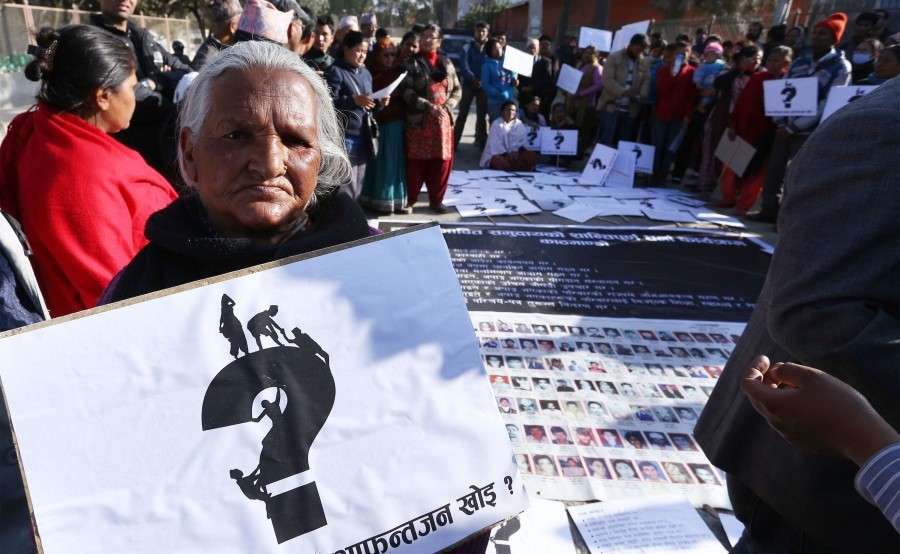
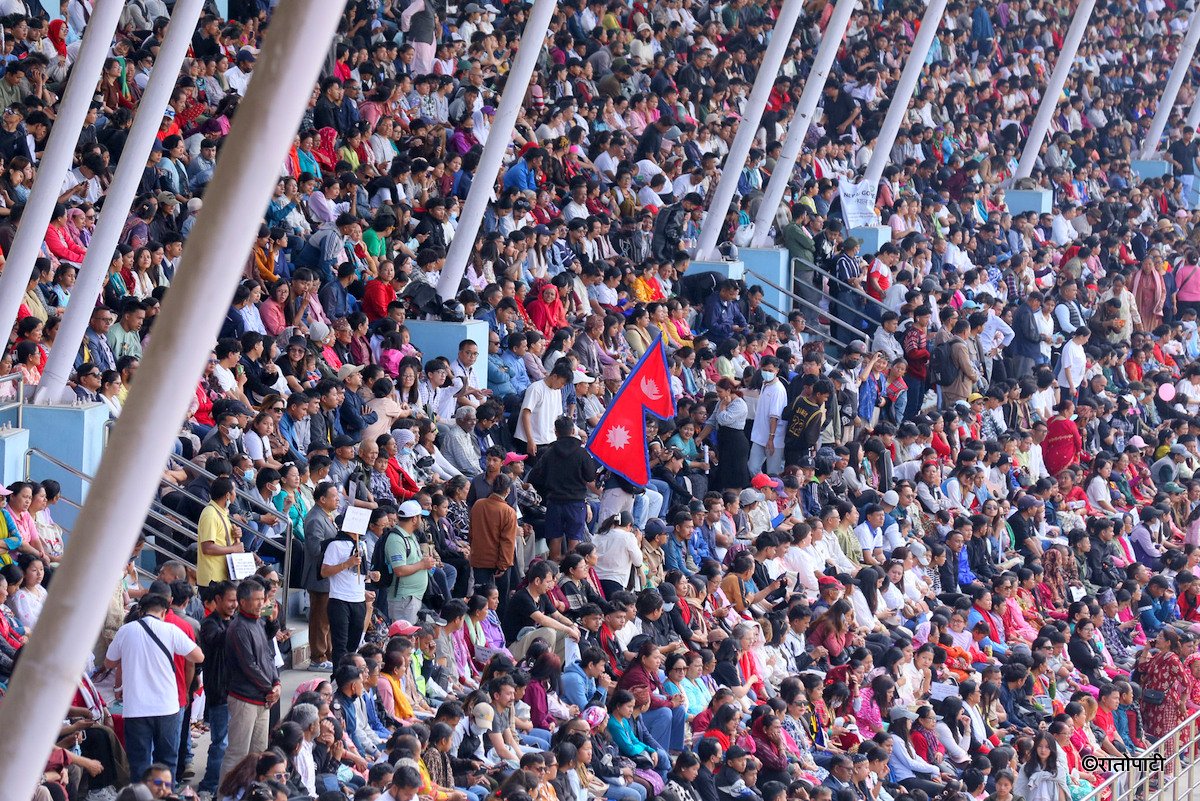
Police detained members of the so-called Gen Z, close to the CPN–UML at Maitighar Mandala recently. This group has stirred political and public attention alike. At the center of this controversy stands UML General Secretary Shankar Pokharel, who sharply criticized the government, calling Maitighar “a protest ground for all citizens, not for one side only.”
But behind the slogans, anger, and arrests lies a deeper story — one that reveals how Nepal’s mainstream political forces are increasingly using youth identity as a political tool rather than empowering it as an independent civic voice.
While the group claims to represent the spontaneous frustration of a new generation, their activities, messages, and coordination reveal otherwise. Insiders and observers note that UML Gen Z is not an independent youth movement — it is politically guided by UML’s youth wing and aligned with the party’s strategic agenda.
The so-called protest against “government corruption” and “suppression of free speech” appears designed not to voice citizens’ demands but to amplify UML’s political message at a time when public trust in all major parties is declining.
By invoking the “Gen Z” label, UML seeks to rebrand its old political base in youthful language, attempting to appeal to a digitally active generation that is largely disillusioned with party politics. But the movement’s lack of genuine civic independence exposes the manipulation behind the mask.
1. Twisting the True Voice of Youth
Nepal’s real Gen Z — students, jobseekers, digital workers, and young entrepreneurs — are more concerned about employment, education, inflation, and migration than partisan slogans. But the UML-linked activists at Maitighar are not raising those issues.
Instead, they are twisting the real sentiment of youth frustration into a political weapon aimed at protecting party leaders and embarrassing the ruling government. Their “protest” serves as a shield for the party’s political interests, not as a microphone for the generation’s real pain.
This strategy not only undermines the credibility of youth activism but also risks silencing authentic young voices that could otherwise bring reformist energy into Nepali politics.
2. Political Objective: Election Optics and Distraction
The timing of these demonstrations also reveals their strategic intent. With elections on the horizon, UML is seeking to reignite street energy and project a sense of opposition vitality.
By framing the government as authoritarian and intolerant, the party aims to create a narrative of victimhood, mobilizing sympathy among urban and undecided voters.
However, beneath this narrative lies a more tactical motive — to divert public discourse from internal party disputes, past policy failures, and leadership struggles. The Maitighar protest thus becomes a political theater — one that replaces genuine reform discussion with choreographed outrage.
3. The Danger of Political Imitation
The misuse of the “Gen Z” identity also signals a dangerous trend in Nepali politics: the imitation of people’s movements for partisan benefit. When parties sponsor protests in the name of citizens, it not only distorts public perception but also discourages authentic civic participation.
If political groups continue to hijack genuine social energy, Nepal’s youth may become increasingly cynical, believing that every movement — no matter how emotional or popular — is just another extension of party power play.
4. The Larger Implication for Democracy
Shankar Pokharel’s defense of the protesters, on the surface, appears to champion freedom of expression, but in practice, it aligns with a partisan narrative that equates criticism of party-linked groups with state suppression.
Such framing undermines the principle of accountability — turning the fight for free speech into a shield for political manipulation.
For a democracy like Nepal’s, which depends on trust between citizens, government, and opposition, such deceptive tactics erode the democratic spirit. Real democracy needs genuine dissent — not party-manufactured protests under borrowed identities.
Conclusion: A Political Stage, Not a Youth Revolution
The UML Gen Z movement at Maitighar is less about youth awakening and more about strategic performance — a calculated attempt to exploit generational energy for electoral advantage. Instead of amplifying people’s real demands, it distorts them; instead of uniting youth for reform, it divides them along party lines.
If UML and other major parties truly want to empower the nation’s young citizens, they must listen to their authentic concerns — jobs, justice, and integrity — not just use their name as a slogan. Until then, protests like this will remain what they are: a political act disguised as a people’s movement.
Related News