 Nepal Newsbox
2083 Jestha 16, Saturday
Nepal Newsbox
Nepal Newsbox
2083 Jestha 16, Saturday
Nepal Newsbox
The Politics of Pretended Patriotism: Who Really Loves the Nation?

When Patriotism Becomes a Mask for Corruption
The Masquerade of Patriotism: A Nation Where Truth Stands Trial
Introduction
Nepal’s current political and social reality is a strange one — the line between truth and falsehood, justice and injustice, honesty and corruption has become increasingly blurred. Leaders wear the mask of patriotism to safeguard their own interests, while those who genuinely work for the welfare of the people are branded as “guilty.” Honest citizens, courageous youths, conscious artists, hardworking farmers, and sincere entrepreneurs are burdened with blame, even as the corrupt, selfish, and hypocritical parade around draped in the flag of “patriotism.”
This article seeks to uncover how political alliances have institutionalized corruption, silenced voices of truth, and discredited honest leadership. It also argues that the true power to revive the nation lies not in politicians, but in educated, honest, and transparent citizens. This is a call to awareness, a challenge to complacency, and an invitation to take responsibility — for the era of silence is over, and the duty of change now rests upon our own shoulders.
The Era When Truth Has Been Reversed in Nepal
A new chapter is being written in Nepal — one where corruption is mistaken for merit, deception is celebrated as policy, and performance is paraded as patriotism. Those who have drained the nation’s treasury and exploited the sweat of its people now present themselves as the country’s “defenders” and “patriots.” Meanwhile, those who honestly labor for their families, professions, and nation are branded as “criminals,” “anarchists,” or “traitors.”
The line between truth and falsehood, righteousness and corruption, patriotism and hypocrisy is fading fast. Leaders who gain power in the name of the people, thrive on their taxes, and sell their future are the same ones delivering fiery patriotic speeches. Yet the citizens striving to uplift the nation, the youths creating opportunities in their own homeland, and the artists depicting society’s harsh realities are the ones accused of “betraying” the nation.
Examples:
- When youths protested against corruption by ministers and contractors, they were called “rioters.”
- When artists portrayed the people’s pain through their songs, they were branded as “party propagandists.”
- Meanwhile, those who received massive contracts and left projects unfinished still enjoy the honor of being called “Honorable.”
This is Nepal’s tragic political theatre — a stage where crime is rewarded and honesty is punished, where hypocrisy earns applause and truth is condemned.
The Corrupt Collaboration of Political Parties
The Nepali Congress, UML, Maoists, and their allied parties publicly pretend to be rivals — debating fiercely in parliament, exchanging insults on stage, and showcasing their “different ideologies” before the people. Yet behind the scenes, they are bound by an astonishing chemistry of corruption — where the real agenda revolves around power-sharing, contract manipulation, position trading, and the circulation of commissions.
This is not ideological cooperation; it is a business partnership built on corruption — aimed not at public welfare but at self-preservation. Their slogans, flags, and manifestos may differ, but the destination of their greed remains the same: wealth, power, and influence.
Examples:
- All parties maintain silent agreement when it comes to dividing commissions from development projects.
- Contracts are distributed along party lines — “This one for Congress, that one for UML, and another for the Maoists.”
- When the anti-corruption authority files cases, members of the ruling party are shielded, while those from the opposition are targeted.
Thus, corruption in Nepal has evolved from competition to collaboration. This alliance of convenience weakens the nation, disheartens its people, and stands as the greatest obstacle to Nepal’s development.
Silencing Those Who Speak the Truth
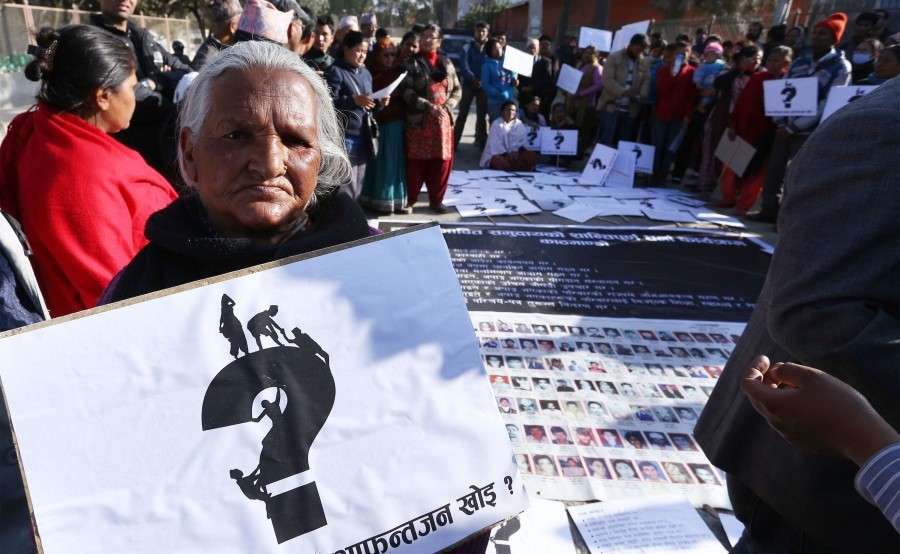
In today’s Nepal, speaking the truth has become a dangerous act. When a young person dares to speak against corruption, organizes a peaceful protest, or expresses dissent on social media, they are branded as “anarchists,” “agenda-driven,” “foreign agents,” or even “traitors.”
A teacher advocating educational reform is dismissed as being “political.” A businessperson demanding transparency is labeled “arrogant” or “corrupt.” When artists portray social realities, their work is condemned as “party propaganda.” Yet when ministers, contractors, or party loyalists break the law, their actions are defended as “political decisions.”
Examples:
- Journalists who expose corruption are sued for “character assassination.”
- Social activists who raise their voices are threatened and placed under surveillance.
- Youths protesting for justice are accused of being “foreign-funded.”
This culture of fear breeds silence. It becomes easier to stay quiet than to speak the truth. As a result, silence has become the strongest ally of corruption, while voices of reason and conscience are fading under threats, insults, and repression.
Criminals as Patriots, the Honest as Criminals
Nepal’s tragedy lies in this paradox — those who sleep in parliament, demand commissions on government files, and face corruption charges are the very people who become ministers. Those who loot the national treasury are celebrated as “successful leaders,” while citizens who work honestly to support their families and contribute to society are branded as “selfish” or “naïve.”
Examples:
- Leaders involved in contract scandals are praised as “champions of development.”
- Those who misuse public property are glorified as “servants of the people.”
- Honest civil servants who refuse to follow illegal orders are punished through transfers.
Nepal’s moral compass has turned upside down — sincerity is sidelined, while deceit is rewarded. In a nation where wrongdoing brings prestige and integrity invites punishment, truth itself has become a casualty.
The Basis of Decision-Making: Education, Honesty, and Transparency
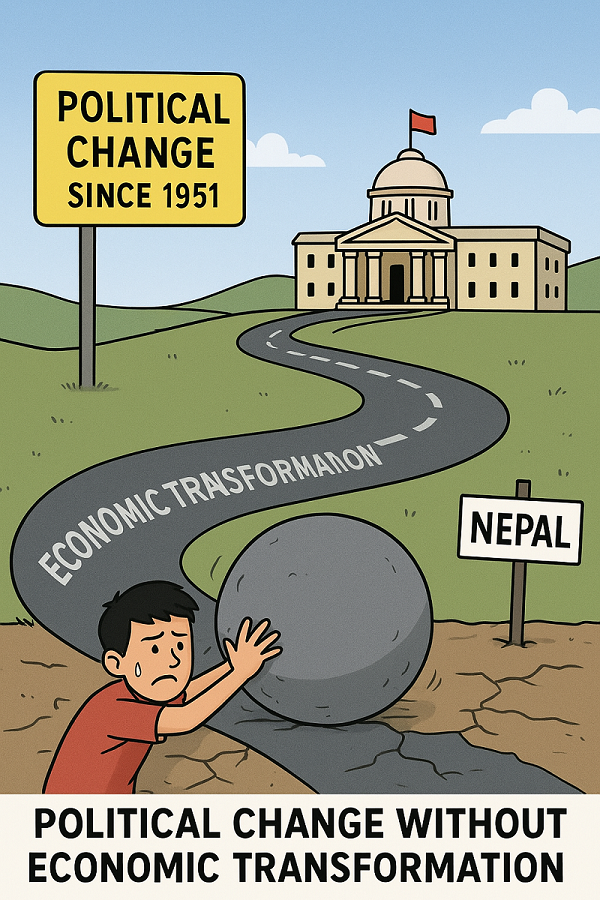
Nepal’s politics today does not merely require reform — it demands self-purification. The businesslike politics practiced in the name of democracy has drained the nation’s soul. The trading of power in the name of the people — selling the nation while blaming honest citizens — must come to an end.
True reform will begin only when leaders learn to value service and responsibility over power and privilege. What the country needs now is not another political manifesto, but a moral declaration — one built on the pillars of education, honesty, and transparency.
Education must go beyond certificates; it must become the foundation of civic awareness. When citizens are truly conscious, they evaluate leaders not by their speeches but by their actions. Leadership without integrity is mere performance. Every public institution, budget allocation, appointment, and decision-making process must therefore be transparent.
Nepal’s liberation will not come from political parties — it will come from aware and courageous citizens. Internal evaluation within parties, moral scrutiny of their members, and the fearless voice of the people will define the path to a new Nepal. Silence is no longer an option, for silence has become the strongest shield protecting corruption.
Examples:
- Political parties must evaluate individual character, not just distribute posts.
- Candidates should be selected based on education, honesty, and transparency.
Civil society must speak without fear, for every moment of silence strengthens corruption.
The People Will No Longer Remain Silent
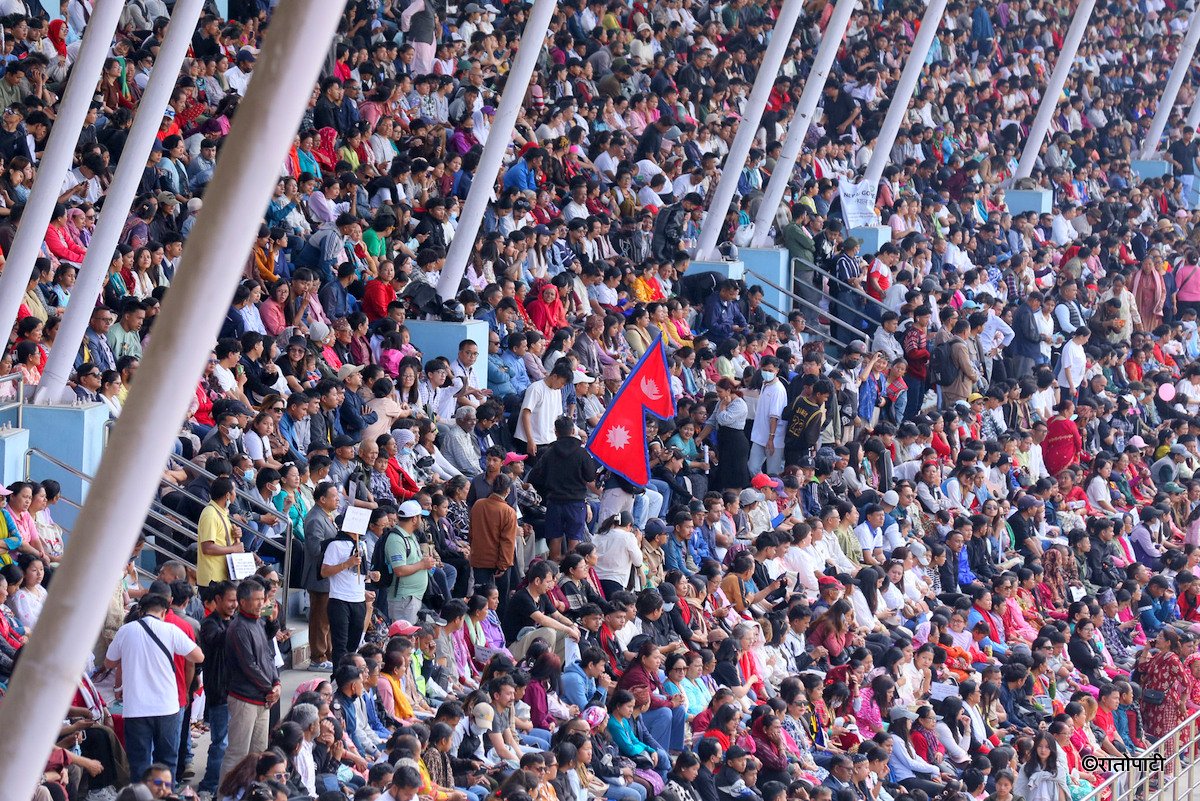
The Nepali people are beginning to recognize who merely performs for the nation and who genuinely works for it. No matter how many masks the corrupt and hypocrites wear, history will ultimately side with the truth.
The power to rebuild this country does not rest with politicians but with conscious citizens, courageous youths, honest professionals, farmers, entrepreneurs, and artists — those who sustain the nation through their sweat, dedication, and integrity.
The time for silence is over. It is time to ask questions, demand accountability, and unmask the false patriots.
Conclusion
In Nepal, patriotism does not require grand gestures or theatrical displays. Simply performing one’s duties with honesty and integrity is the truest form of patriotism. The nation’s rebirth will not come from political speeches but from the awakening of conscious and responsible citizens.
Related News