 Nepal Newsbox
2083 Jestha 16, Saturday
Nepal Newsbox
Nepal Newsbox
2083 Jestha 16, Saturday
Nepal Newsbox
Odd ( A short story)

Odd ( A short Story)
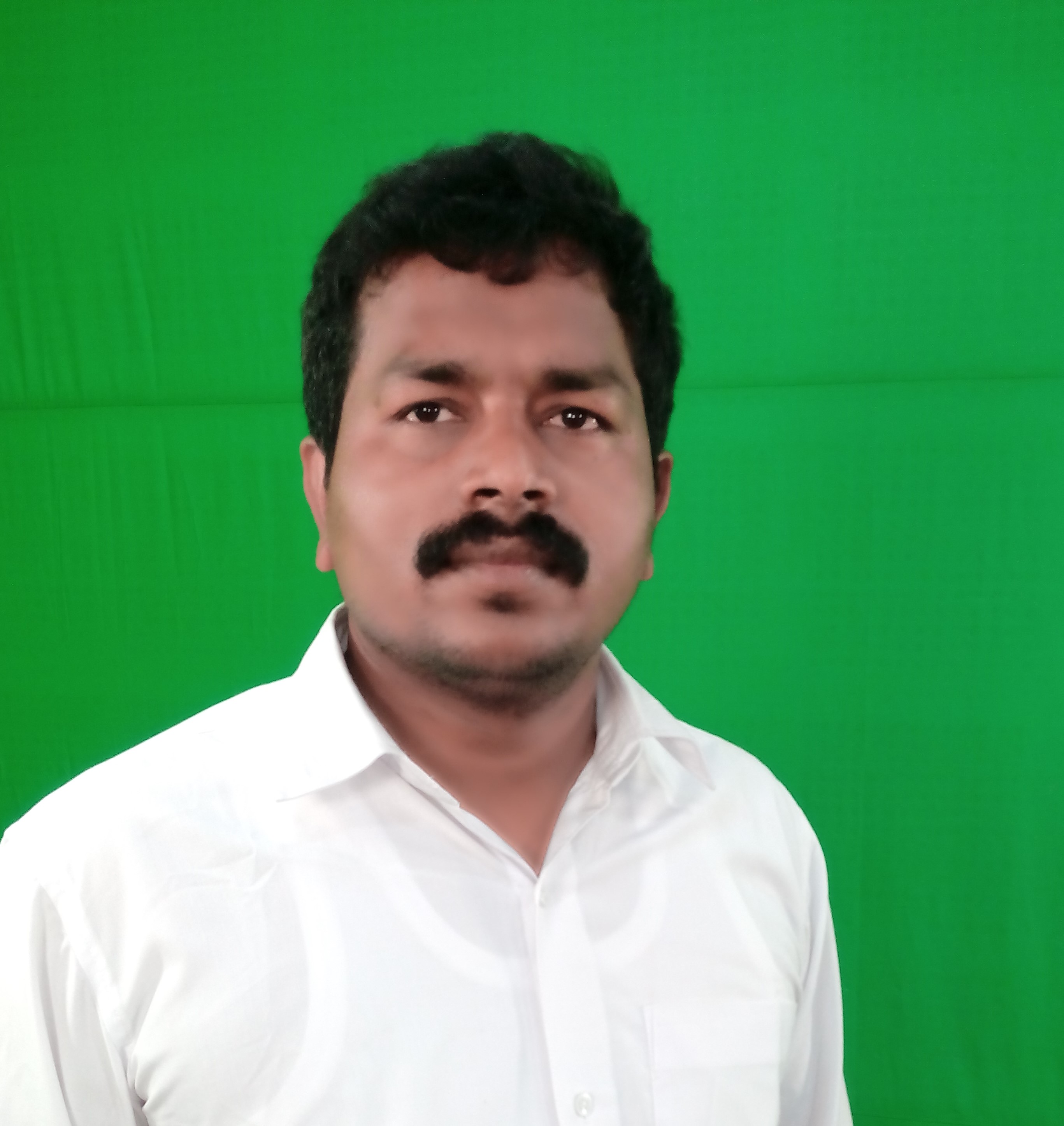
By
Rameshwar Yadav
Twenty three year ago, Ramu was only eighteen—freshly out of college, with a certificate in his hand and dreams in his eyes. He had just completed his Intermediate of Arts, majoring in English, History, and Economics—a rare combination in his small hometown of Janakpur.
For years, he had imagined Kathmandu as a city of endless possibilities, where people spoke fluent English, wore crisp clothes, and walked briskly with purpose. When the chance finally came for him to visit the capital to collect his academic transcript, he felt as though he were stepping into the future.
He arrived in Kathmandu with three of his college friends, all young and curious about city life. One by one, the others left for home, but Ramu stayed behind in Mangal Bazaar, Lalitpur, living in a small rented room with a relative from his village who sold vegetables as a street vendor. The narrow lanes smelled of incense, dust, and steaming momos. From his small window, Ramu could see the old temples, the tangle of wires above, and the constant flow of scooters, bicycles, and buses below.
One morning, he took a bus to Jamal, where the Tribhuvan University (TU) office was then located. He stood in long queues, filled out a form, and listened to clerks speaking in quick, impatient tones.
After fifteen days of running back and forth, his transcript was finally ready—stamped and signed. But by then, Ramu had grown fond of the city: its noise, its crowds, and the restless rhythm of people rushing toward something unseen. He spent his spare hours wandering aimlessly, letting the city unfold in fragments—its temples, its traffic, its dust, and its dreams.
One afternoon, he received a message from someone from his village who was working in Kathmandu.
“Come to Thapathali tomorrow,” the message said. “We can meet near the Traffic Office.”
Ramu had never been there before, but he looked forward to meeting a familiar face.
The next morning, he dressed neatly—a clean white shirt, dark trousers, polished shoes, and his favorite black sunglasses. He felt confident, even proud. The sun was sharp that day, and the streets shimmered with heat as he made his way to Thapathali.
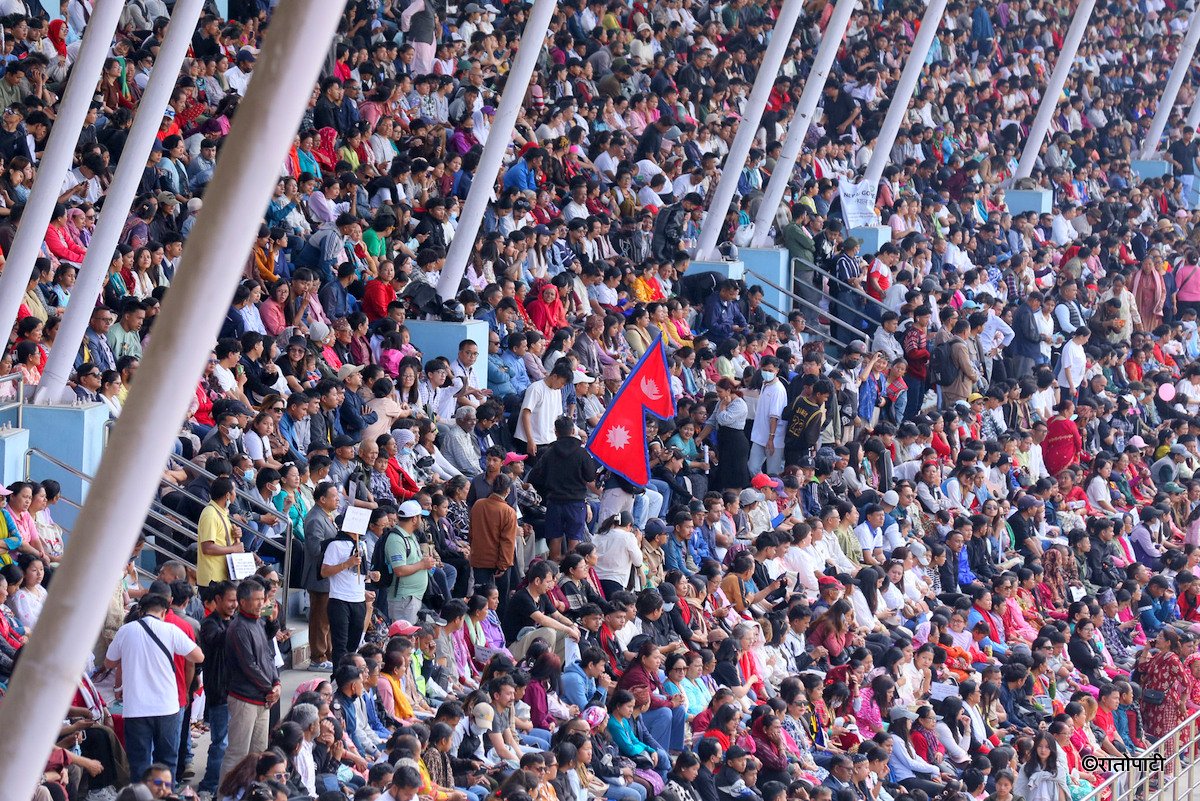
When he arrived, he saw a crowd of men standing loosely near the roadside. Most wore dusty shirts, old caps, and worn-out sandals. Some squatted on the pavement, others smoked silently, and a few exchanged words in low voices.
Ramu walked closer, scanning the faces, hoping to spot his friend. He stood among them, waiting. People passed by, glancing at him curiously. Some whispered. Others laughed softly.
He felt puzzled. Why are they laughing? he wondered. Maybe it was his sunglasses—or perhaps something odd about the way he stood.
A few minutes later, his friend appeared—a carpenter from his village who worked nearby. They greeted each other warmly, chatted for a while, and then left together for tea. Ramu forgot about the laughter soon after. It seemed harmless.
A week later, he returned to the same spot to meet another villager who had promised to help him find a temporary job in the city. Again, he dressed neatly: the same white shirt, the same polished shoes, the same black glasses.
He reached Thapathali a little early and stood in the same place. Once again, the people around him began to look at him, nudging one another and smiling. A group of young men chuckled quietly.
Ramu’s unease deepened. What is so funny? he thought. I’m only waiting.
After his meeting ended, he didn’t leave immediately. Instead, he lingered, curious to understand what was really going on.
Slowly, the pattern revealed itself. Every few minutes, a truck or van would stop nearby. Someone would shout, “Four men for loading bricks!” or “Two for carrying sand!” Instantly, a few of the men would rush forward, bargain over the wage, and climb into the vehicle. When it left, the crowd would settle again—some hopeful, some defeated, all waiting for the next call.
Then, it dawned on him.
This wasn’t just a random gathering. It was a labor corner—a meeting point for daily wage workers waiting to be hired. These men weren’t idly standing around; they were there to earn their day’s meal with their hands and strength.
And there he was—an eighteen-year-old in a crisp shirt and polished shoes, standing among them like a misplaced piece in a jigsaw puzzle. The people hadn’t laughed at him out of cruelty. They had laughed because he looked entirely out of place—a boy with educated manners and dark glasses, standing in the space reserved for men who lifted sand, carried cement, and built the city itself.
Ramu smiled to himself, a little embarrassed but also amused. No one had told him what the place was for. He had stood there innocently, waiting, unaware of the invisible lines that divided the city.
Now it all made sense—the laughter, the glances, the whispers. He had been odd—a stranger among his own people.
As he walked away that day, the city felt different. In his village, everyone knew everyone else, and belonging came naturally. In Kathmandu, every space had its own unspoken rules, its invisible boundaries. Standing in the wrong place, wearing the wrong clothes, could make you an outsider—even if you did nothing wrong.
That night, lying on his narrow bed in Mangal Bazaar, Ramu thought deeply. Education, he realized, didn’t always make one wise. Clothes didn’t define belonging. The city had layers—office workers, vendors, drivers, and laborers—each moving within their own circles, each struggling in their own way.
He felt humbled. He thought of the men at Thapathali—strong, sunburned, and silent—waiting under the sun for work that might or might not come. Yet they laughed, not out of cruelty, but out of endurance. Their laughter was life’s small rebellion against hardship.
A few days later, before returning home to Janakpur, Ramu went back to Thapathali one last time. This time, he didn’t stand among the workers. He stood at a distance, watching with quiet respect. Trucks came and went. Men climbed aboard with energy and hope.
Ramu thought of his own uncertain future. Perhaps one day, he too would wait somewhere for an opportunity—not with bricks or sand, but with papers, books, and dreams.
The city had taught him something no classroom ever had: observe before judging, understand before assuming, and never laugh at someone who seems out of place. Because, in one way or another, everyone is odd somewhere.
As the bus back to Janakpur pulled out of the city, Ramu looked through the window at the shrinking crowd below. The laughter that once puzzled him now sounded different—no longer like mockery, but like music from a world he had just begun to understand.
Related News