 Nepal Newsbox
2083 Jestha 16, Saturday
Nepal Newsbox
Nepal Newsbox
2083 Jestha 16, Saturday
Nepal Newsbox
Ownership (A Short Story)


Ownership (A Short Story)
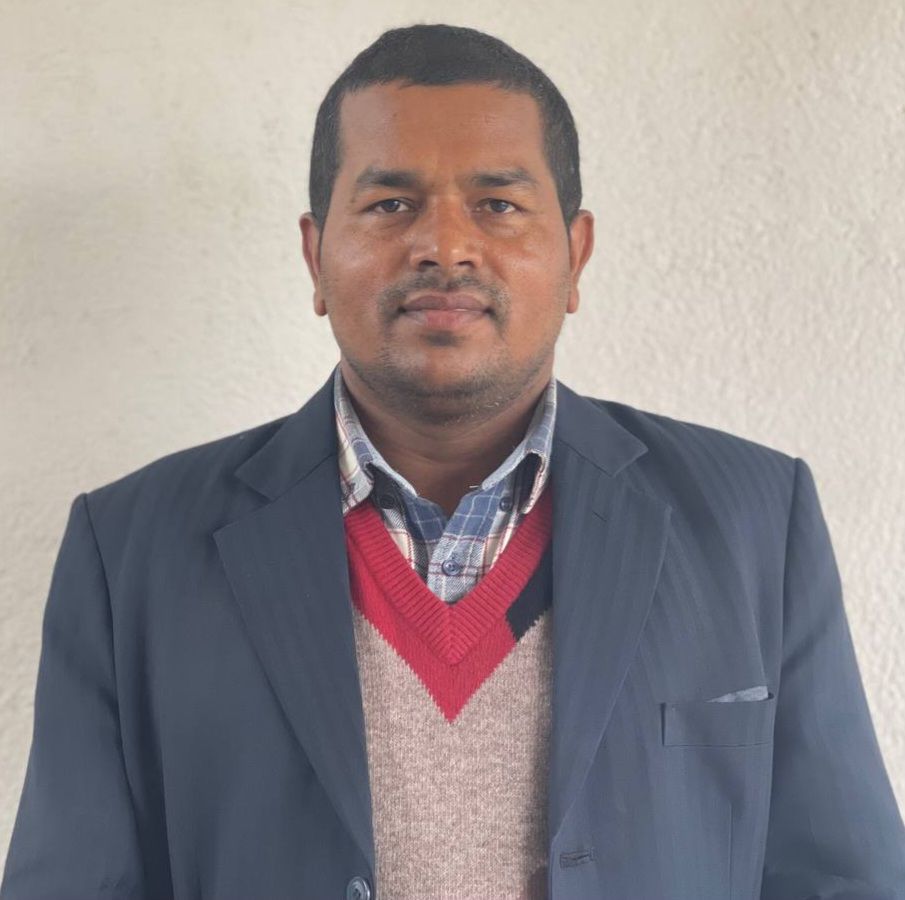
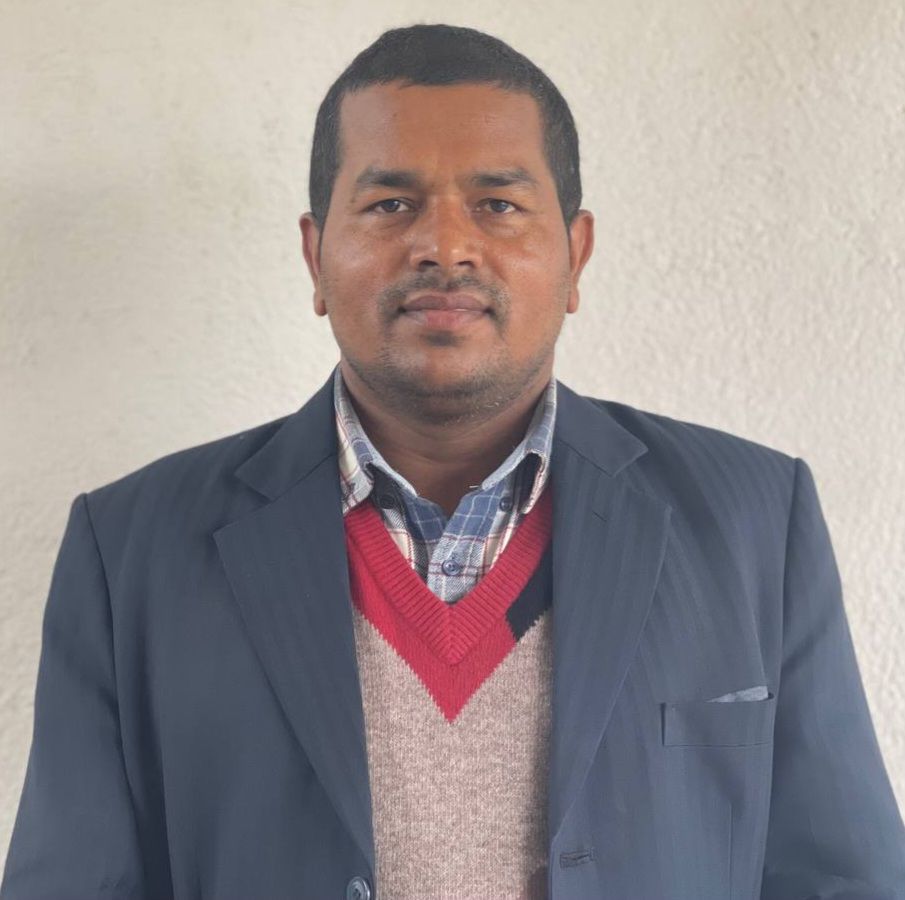
By
Rameshwar Yadav
Rajan had always believed one thing with absolute certainty: “My body is mine. I can do whatever I want with it.” It was a sentence he repeated to his friends whenever they warned him about his habits—late-night drinking, skipping meals, endless work, and no rest. To him, life was a race, and the body was only a vehicle to be pushed until it collapsed. He often laughed and said, “God owns the sky; I own myself.” But life has a strange way of answering arrogance—with silence first, and then with thunder.
Rajan worked in a small finance company in Janakpur. His days included endless files, coffee stronger than reason, and deadlines that stretched far beyond office hours. At 29, he looked 40. At 29, he felt 50. His Mai (mother) often told him, “Beta, even God cares for the things He creates. He protects and nourishes them. But you—do you even care about the body He gave you?”
One evening, she approached him while he was rushing out the door.
“Rajan, at least eat something before you go,” she said, holding out a plate of rice.
“Mai, please,” Rajan sighed, slipping on his shoes. “I don’t have time today.”
“Time?” she asked softly, “Or priority?”
“Mai, don’t start again,” he groaned.
“I will start,” she insisted. “Because even God doesn’t neglect what He owns. Why do you neglect yourself?”
He waved her comment away. “That’s for old people, Mai. I’m fine.”
“You think you own your body?” she asked.
“Of course,” he said confidently.
She shook her head. “No, beta. You only rent it for a lifetime.”
Rajan laughed and left, as he always did.
But one evening, while giving a presentation, his vision blurred. The conference room spun. His hands trembled. And within seconds, he collapsed right there on the polished floor. Darkness followed.
When he opened his eyes, everything felt heavy—his eyelids, his thoughts, even his breath. A doctor stood beside him, frowning with the familiarity of having seen hundreds like him. “Your body didn’t fail you,” the doctor said gently. “You failed your body.” The words landed like stones. The doctor continued, “God sustains life, but you have to cooperate with what He has given. Sleep, food, rest, care—these are not optional.” Later, Rajan looked at his hands—thin, trembling, exhausted. He realized he had treated his body not as something entrusted to him but as a machine he had the right to abuse.
During his recovery, Rajan stayed with his uncle, an old gardener with more wisdom in his soil-stained fingertips than most people learned in a lifetime. One morning, Rajan found him crouched, tending to a small plant. His uncle spoke without looking up, “Do you know why people fail at owning themselves?” Rajan shook his head. “Because they think ownership means freedom to destroy,” the uncle said. “True ownership is the responsibility to care.” He watered the plant slowly, his hand steady and practiced. “If God treated His creation the way humans treat their own bodies,” the uncle whispered, “there would be no trees, no rivers, no stars left.” Rajan felt something shift inside him. “What about me? Can I still fix this?” he asked. His uncle smiled. “A garden recovers when the gardener returns.”
It was not easy, but Rajan changed—slowly, painfully, honestly. He began to sleep. He ate real food instead of skipping meals. He said “no” to work when his body said “enough.” He prayed—not because he was suddenly religious, but because he now understood gratitude. He didn’t just survive; he healed. And one evening, standing on his rooftop, feeling the cool wind carry the scent of monsoon, he whispered: “I don’t own my body. I steward it. It was never mine to destroy.”
Rajan realized something profound that most people never understand: God owns life, so He cares for it. He protects, sustains, nourishes, and heals. Humans claim ownership but fail in responsibility. They neglect, overwork, abuse, and mistreat the very bodies that carry their dreams. True ownership is not claiming rights—it is fulfilling duties. And sometimes it takes a collapse, a hospital bed, and a gardener’s wisdom to learn what God has been teaching since the beginning: what is given must be cared for, and what is entrusted must be honored.
Related News