 Nepal Newsbox
2083 Jestha 16, Saturday
Nepal Newsbox
Nepal Newsbox
2083 Jestha 16, Saturday
Nepal Newsbox
Development of Consciousness and Nepal: An Analytical Article in the Context of “Harkabad”

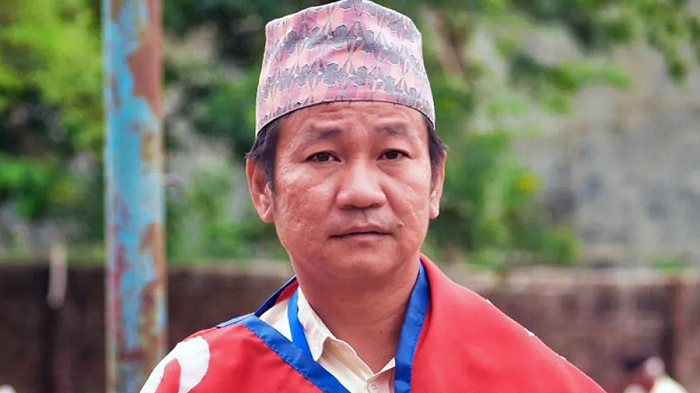
Development of Consciousness and Nepal: An Analytical Article in the Context of “Harkabad”
The foundation of human civilization is the level of consciousness. When consciousness develops, a person becomes capable of independent thinking, new imagination, and distinguishing between right and wrong. The power of consciousness guides societies toward new directions. In this sense, Harkabad—which emphasizes that “consciousness is the first precondition for development”—is deeply relevant to today’s Nepal.
Nepal’s Consciousness: A State Trapped in Emptiness
Nepal is currently trapped not only in material underdevelopment but also in a state of mental emptiness.
– We see problems, but do not think about solutions.
– We rely on leaders, but do not build our own ideas and pathways.
– We have become followers, but not creators.
This has made Nepali society reactive, emotional, and driven by crowd psychology. Due to the lack of consciousness, citizens neither fully understand their rights nor fairly evaluate their responsibilities.
Core Idea of Harkabad: Development of Consciousness
Harkabad asserts that
only when consciousness is developed do humans become autonomous, creative, and critical.
In the absence of developed consciousness, Nepalis tend to believe what they hear, accept whatever leaders say, and treat external narratives as unquestionable truth. The culture of asking critical questions is weak.
The development of consciousness reveals three key qualities:
1. Creativity
– New ideas, new methods, new solutions.
2. Critical Thinking
– The ability to question every claim.
– The power to seek evidence, demand logic, and differentiate truth from illusion.
3. Autonomy
– Confidence in independent decision-making.
– A shift from leader-centric to thought-centric guidance.
Why Has Nepal Become a “Follower Society”?
1. Education is exam-centered, not consciousness-centered.
It produces students who can pass tests but cannot understand life.
2. Politics is personality-driven, not idea-driven.
Leaders are big, but principles and vision are weak.
3. Social structure is built on obedience.
Generations have been taught, “Do what you’re told,” suppressing a culture of questioning.
4. Media and digital crowd influence.
Plenty of information, little knowledge.
Plenty of noise, little analysis.
How Can Consciousness Be Developed?
1. Make education analytical.
– Encourage reasoning, debate, and interpretation.
2. Create a culture of public dialogue.
– A society where people ask questions, give suggestions, and engage in discussions.
3. Prioritize ideas over leaders.
– Evaluate principles, not personalities.
4. Enhance digital literacy.
– Skills to process information and verify facts.
5. Self-recognition and self-discipline.
– The courage to ask, “Where are we weak?” and begin personal transformation.
Conclusion: A Nation Cannot Awaken Without Developing Consciousness
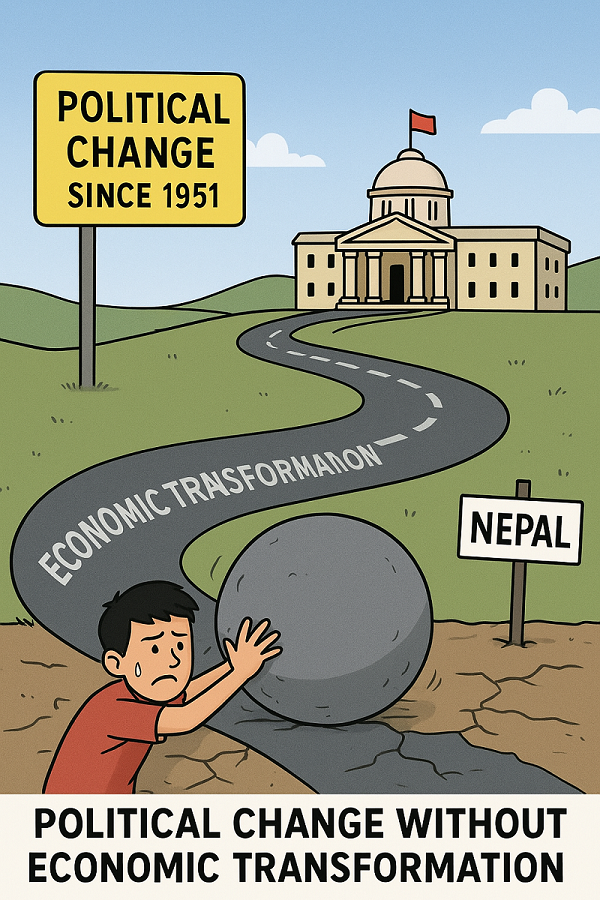
Nepal has seen political changes for decades, but the level of consciousness has remained stagnant.
The power to transform the nation does not lie in political parties—
it lies in awakened citizens.
As Harkabad emphasizes,
when consciousness develops, people become creative, question deeply, explore alternatives, and build new civilizations.
What Nepal needs today is a revolution of consciousness—
not noise but ideas;
not followers but creators.
Only when Nepal rises from the emptiness of consciousness will true development become possible.
Related News