 Nepal Newsbox
2083 Jestha 16, Saturday
Nepal Newsbox
Nepal Newsbox
2083 Jestha 16, Saturday
Nepal Newsbox
“Nepal’s Laws Must Be Rewritten”: Kulman Ghising’s Message from the Ujyaalo Nepal Party Stage

“Nepal’s Laws Must Be Rewritten”: Kulman Ghising’s Message from the Ujyaalo Nepal Party Stage
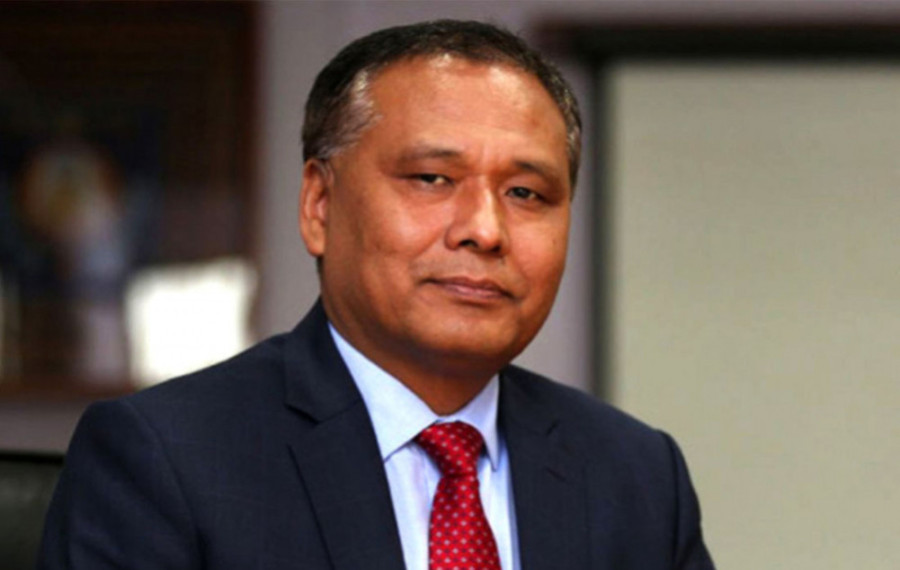
Kathmandu — The formal announcement ceremony of the Ujyaalo Nepal Party on Wednesday at the National Assembly Hall was more than a political launch. It became a stage for a deeper reflection on Nepal’s governance, its legal foundations, and the nation’s readiness for structural transformation.
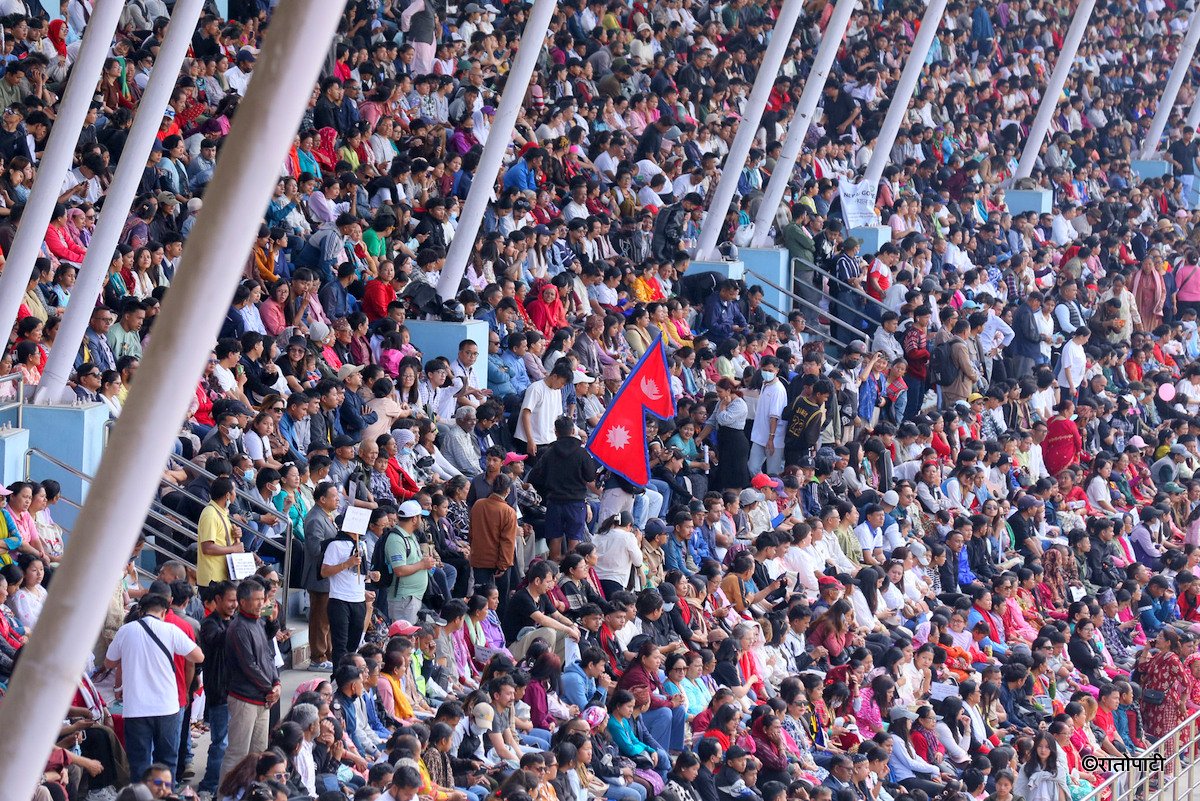
The hall was packed—young professionals, former bureaucrats, civil society members, entrepreneurs, and citizens searching for credible alternatives to conventional politics. Yet amid the crowd, all eyes gravitated toward one figure: Energy Minister Kulman Ghising—a technocrat with a public image rooted in efficiency, reform, and integrity.
When Ghising took the stage, one sentence he spoke shifted the mood of the entire gathering:
“Nepal’s laws must be rewritten.”
It wasn’t a slogan. It sounded like a diagnosis—and a challenge.
A Call Beyond Politics
Ghising’s remark carried the weight of someone who has navigated bureaucratic bottlenecks for decades. For many, it echoed a frustration long felt but rarely articulated on a political stage—that Nepal’s legal system, still burdened by outdated provisions, has struggled to keep pace with a society undergoing rapid technological, economic, and social change.
“Our systems can no longer rely on paper-aged laws,” Ghising said.
“The society has changed, but the laws have remained the same.”
His statement reflected the everyday realities faced by citizens and professionals alike—complicated administrative procedures, stalled development projects, conflicting regulations, and an overall lack of legal clarity.
A New Party, a New Vision
The Ujyaalo Nepal Party, chaired by former secretary Anup Kumar Upadhyay, positions itself as a party rooted in transparency, good governance, democratic commitment, and institutional reform.
Their manifesto—unveiled during the ceremony—promised:
- strong multiparty democracy,
- civil liberties,
- fundamental rights and human rights protections,
- independent and capable judiciary,
- press freedom,
- evidence-based policy making, and
- efficient digital governance.
In this context, Ghising’s call for rewriting Nepal’s entire legal framework aligned naturally with the party’s identity: a platform advocating not incremental tweaks but systemic renewal.
Rewriting vs. Reforming: The Deeper Meaning
Legal experts often distinguish between “reforming” laws and “rewriting” them.
Reform adjusts and patches the old system.
Rewriting, however, implies a clean, modern foundation—one built for current realities and future needs.
Ghising’s statement seemed to argue that Nepal now stands at such a crossroads.
His argument implied:
- Development projects must no longer be entangled in unclear regulations.
- Digital governance requires legal architecture built for the digital era.
- Citizens need laws that are understandable, functional, and enforceable.
- Investment-friendly frameworks must be clear, consistent, and predictable.
- Justice must be accessible, not buried under antiquated legal language.
As he put it,
“Laws belong to the people. The state is simply their custodian. Laws that people do not understand or accept are merely decorative—meaningless.”
The Atmosphere: Curiosity, Energy, and Debate
Those present at the ceremony responded with a mix of excitement and contemplation.
Young participants—familiar with global governance standards and frustrated with slow bureaucratic processes—found Ghising’s message refreshing and necessary.
“We need laws that match our generation’s challenges,” a university student said.
Senior legal practitioners in the audience welcomed the sentiment but cautioned that rewriting laws requires broad consultation, deep expertise, and sustained political will.
Yet, the underlying agreement was universal: Nepal needs legal clarity, speed, and modernization.
Beyond the Stage: A Conversation Begins
The launch of the Ujyaalo Nepal Party—now officially registered with the Election Commission and carrying the electoral symbol of a burning lamp—became a symbolic moment. It wasn’t merely about one more political party entering the arena.
It ignited a conversation about the underlying machinery of the state itself:
How should Nepal be governed?
What kind of legal system does a modern nation deserve?
How can outdated laws be replaced with frameworks that encourage progress rather than restrict it?
Ghising’s words—simple yet weighty—captured a collective desire for a system reset.
Conclusion: A Sentence That Could Shape a Decade
Sometimes, a political moment is defined not by the scale of the gathering but by the clarity of a single idea.
“Nepal’s laws must be rewritten” may emerge as one such idea—a spark that challenges political leaders, legal thinkers, and citizens to rethink the foundations of governance.
Whether the Ujyaalo Nepal Party succeeds in this ambitious vision remains to be seen.
But on that stage in Kathmandu, Kulman Ghising did more than give a speech.
He lit a question that the country can no longer ignore:
Is Nepal ready to rewrite its future by rewriting its laws?
Related News