 Nepal Newsbox
2083 Jestha 16, Saturday
Nepal Newsbox
Nepal Newsbox
2083 Jestha 16, Saturday
Nepal Newsbox
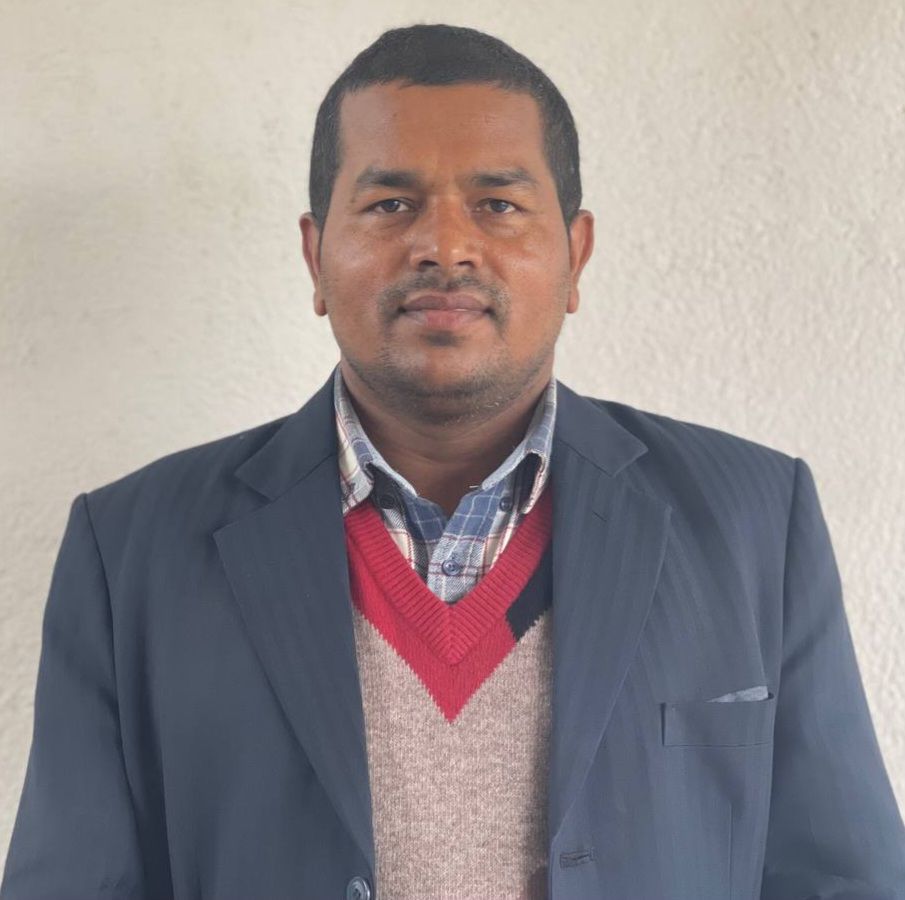
There Are No Needle Factories, but Factories of Illusion in Every Village - Dr. Mahabir Pun

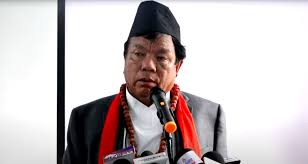
There Are No Needle Factories, but Factories of Illusion in Every Village - Dr. Mahabir Pun
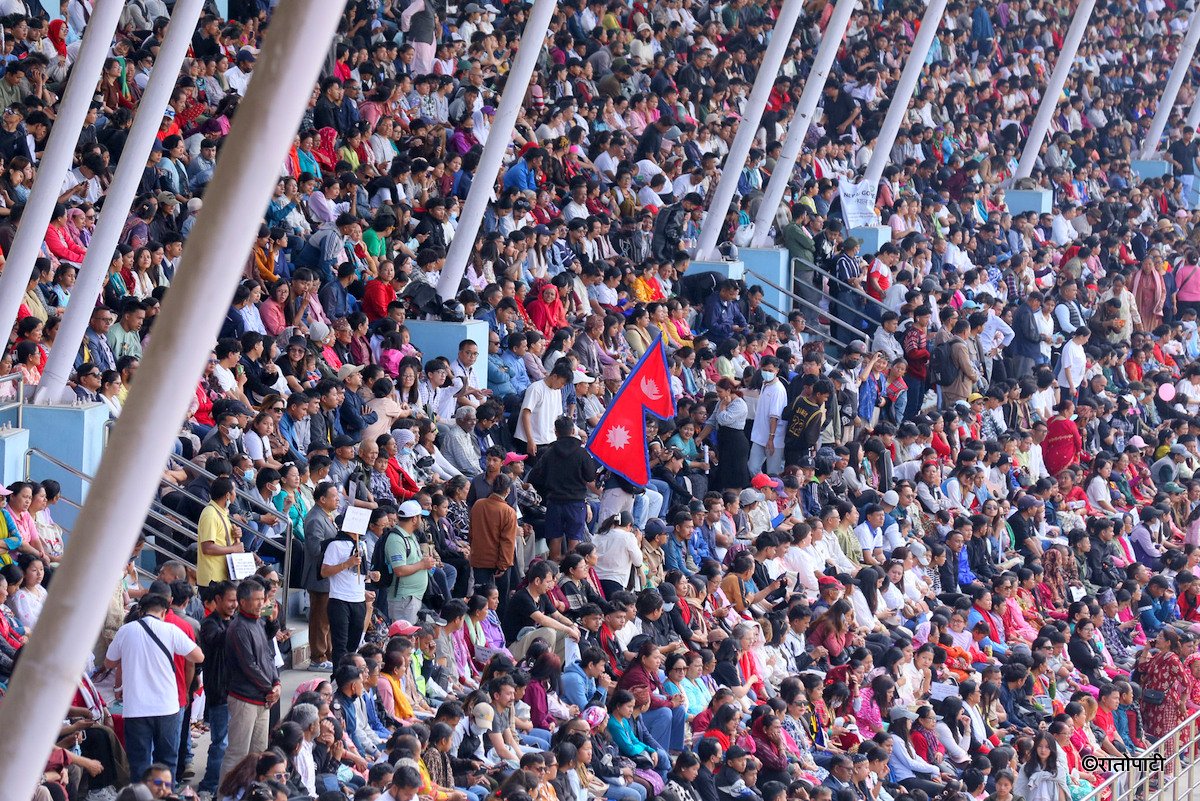
In our country, opening even a small factory to produce something as simple as a needle requires a long struggle. There are excuses everywhere—lack of raw materials, skills, capital, and markets. Yet, strangely enough, many “factories” operate freely across villages without registration, investment, or production. These factories do not produce needles, tools, clothes, or food. They produce illusions, misinformation, empty promises, and division. We call them the local committees of political parties.
Political parties are considered pillars of democracy. In theory, they should educate citizens, encourage participation in governance, and provide leadership for national development. In practice, however—especially at the local level—many party committees have become centers of confusion rather than production. There are more slogans than solutions, more blame than responsibility, and more emotional manipulation than factual discussion.
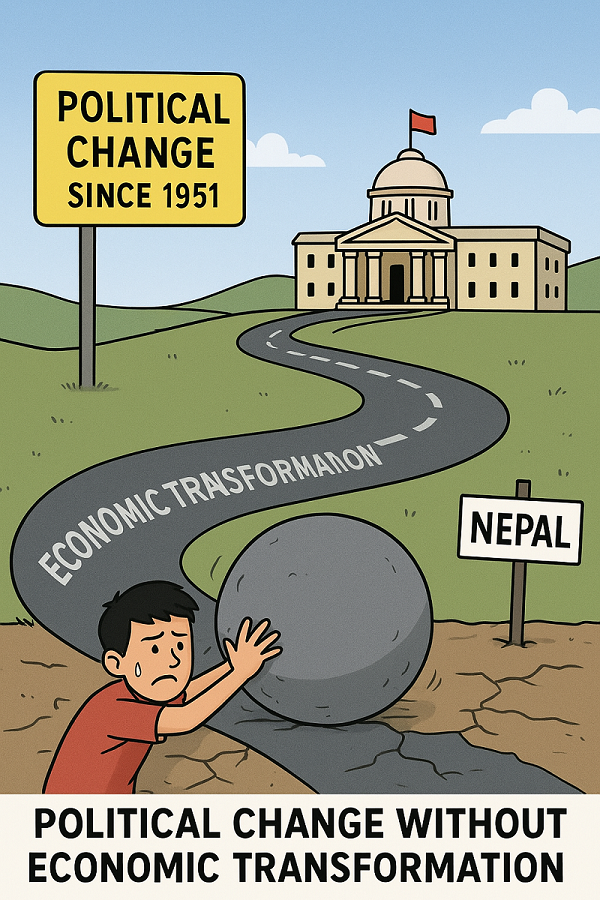
What are the real problems in our villages? Unemployment, poor education and healthcare, lack of markets for agricultural products, youth migration, and shortages of irrigation and technology. But in local political meetings, instead of serious discussion on these issues, people hear statements like, “Everything will be fine if our party comes to power,” or “The country was ruined by the other party.” In this way, politics does not solve problems; it manufactures illusions.
As elections approach, these illusion factories become even more active. Minor achievements are exaggerated, while failures are blamed on conspiracies. Development is measured by the number of road inaugurations or public ceremonies, not by whether people’s lives have actually improved. Instead of empowering citizens to be informed and self-reliant, voters are made emotionally dependent.
Perhaps the most worrying aspect is how these illusion factories waste the energy and time of young people. The time that should be spent learning skills, starting enterprises, innovating in agriculture or technology is instead consumed by political quarrels, factionalism, and poster-pasting. Many youths are turned into “party workers,” but that work neither makes them economically independent nor contributes meaningfully to society.
If even small industries—like a needle factory—were established in villages, they would create jobs, build dignity, and strengthen the economy. Unfortunately, we have prioritized illusion over production. In the name of political awareness, people are taught blind loyalty instead of critical thinking.
The time has come not necessarily to shut down political party committees, but to transform their role. Local political units must become centers of solutions and productivity, not merely platforms for speeches and slogans. What people need is not stories of future dreams, but leadership that promotes skills, opportunities, and realism.
A country might survive without needle factories, but it can never prosper without truth, labor, and production. The real question we must now ask—from village to village—is this: Do we want factories that manufacture illusions, or industries that build the future?
Related News