 Nepal Newsbox
2083 Jestha 16, Saturday
Nepal Newsbox
Nepal Newsbox
2083 Jestha 16, Saturday
Nepal Newsbox
Nepotism Dominating Proportional MP Selection? Serious Questions Raised by Congress Leaders and Cadres

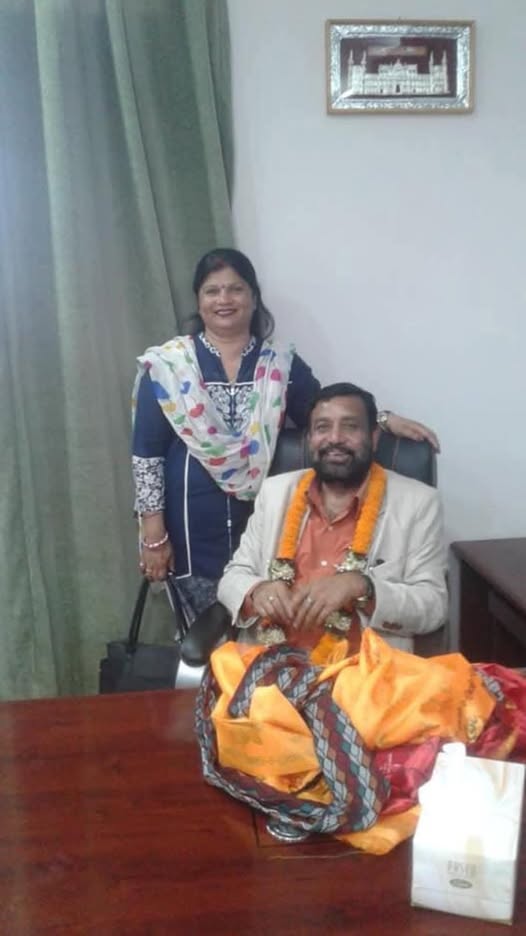
Nepotism Dominating Proportional MP Selection? Serious Questions Raised by Congress Leaders and Cadres
Growing dissatisfaction in Madhes over the practice of appointing MPs through proportional lists; “The issue is not about individuals, but about the system.”
Allegations have begun to surface that senior leaders of the Nepali Congress are prioritizing kinship and family connections in the selection of proportional representation (PR) Members of Parliament. Congress leaders and cadres from the Madhes region have expressed strong dissatisfaction, stating that such practices have resulted in injustice toward democracy fighters who struggled for decades, as well as toward their families.
Questions were raised within the party after senior Congress leader Bimalendra Nidhi himself became a proportional MP in the previous House of Representatives, and this time ensured a confirmed parliamentary ticket for his niece, Ninu Karn, by placing her first on the closed PR list under the Madhesi women category. At the same time, Bimal Karn is contesting the election through the direct (first-past-the-post) system, where his victory is considered likely. While cadres have extended personal congratulations, they have simultaneously voiced strong criticism of the system.
According to the concerned party workers, the proportional system has increasingly become a tool for nepotism and favoritism. They argue that prioritizing family relationships over talent, struggle, and contribution goes against democratic values. Some have even asserted that if the Constitution envisions this kind of proportional system, it must be reviewed—or abolished altogether.
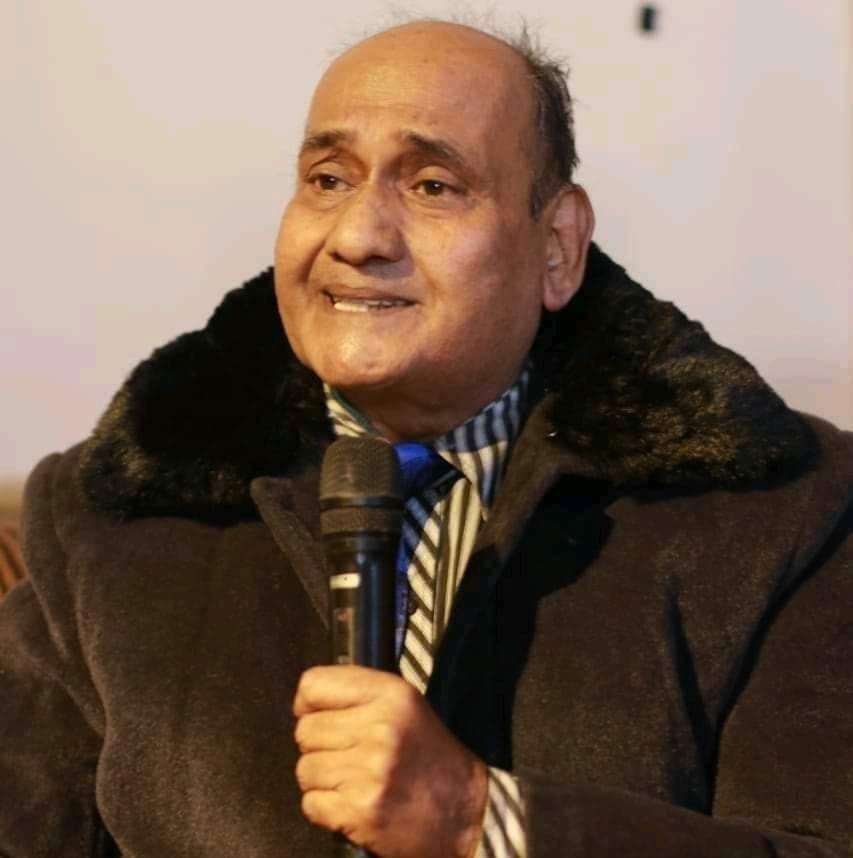
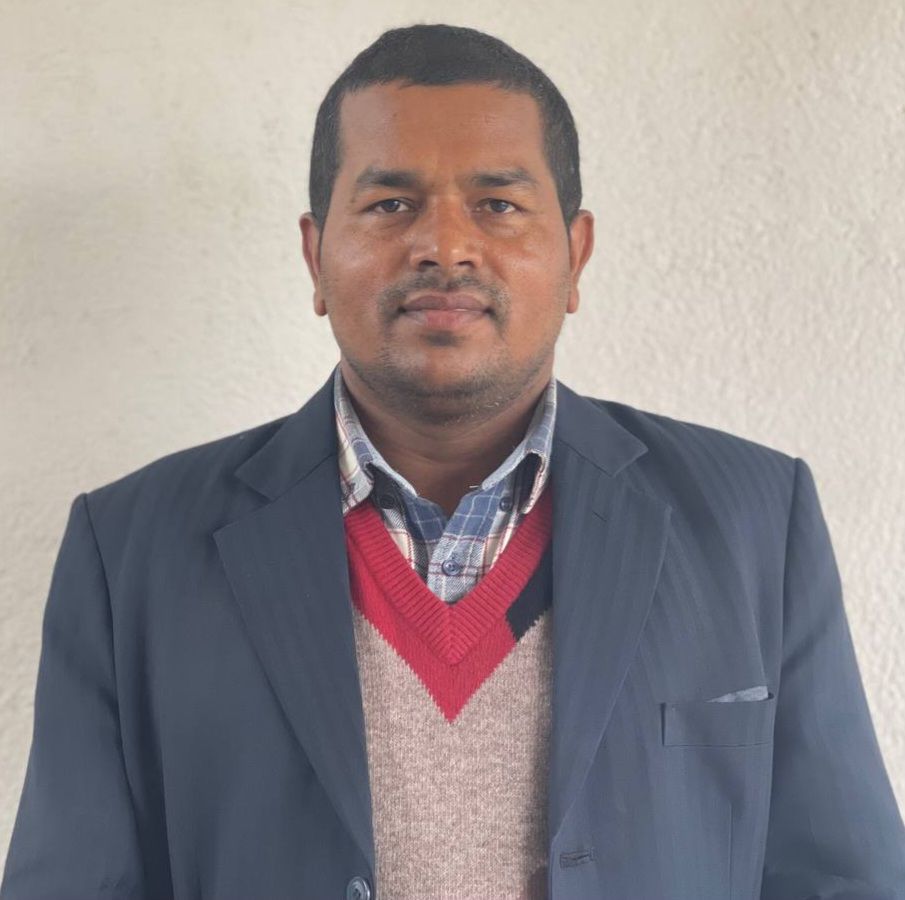
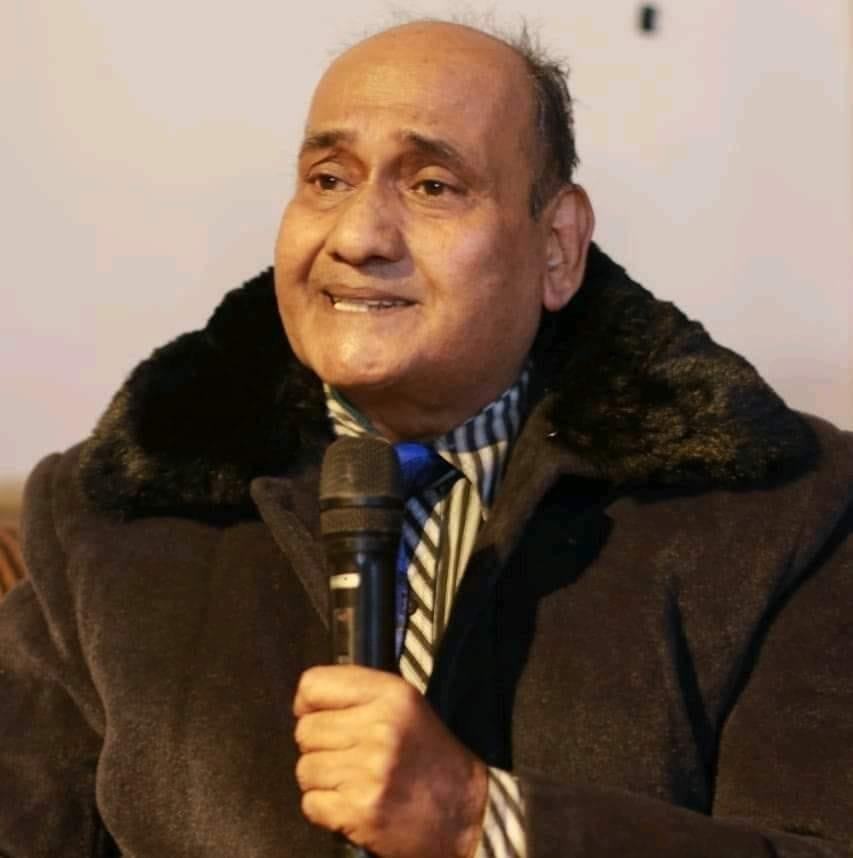
Addressing Bimal Karn, Madhes-based Congress leader Jivanath Chaudhary raised a pointed question: What did the democracy fighters who endured imprisonment, police batons, torture, and lifelong sacrifice in the same region receive? He named figures such as Lalan Chaudhary, Praphulla Raj Ghimire, Yuvraj Khati, Raj Kishor Singh, Ram Bharat Sah, Baidyanath Sah, Dhirendra Mohan Jha, Nirmal Chaudhary, Devchandra Jha, Anita Srivastava, Digambar Rai, Bibhas Labh, Shambhu Nath Jha, and many others.
According to Chaudhary, leaders like Nevi Nadaf, Sonelal Paswan, Mahavir Sharma, Akhilanand Srivastava, Yugeshwar Sharma, Bhuvaneshwar Mahaseth, and Balbhadra Lal Karn dedicated their entire lives to democracy. Some died in prison, others passed away in extreme poverty. Yet today, there is no leader who even asks about the condition of their families. Struggling without basic necessities—food, shelter, and clothing—these families were never included on any list.
The cadres have clarified that their criticism is not directed at any individual, but at the system itself. While personally congratulating Ninu Karn and wishing her a bright future, they have stated that it is deeply painful when kinship outweighs merit and sacrifice.
In this context, they recalled a statement by the late B.P. Koirala:
“Party workers who watch silently while leadership does wrong are either extreme opportunists or slaves.”
In conclusion, they posed a fundamental question:
“What should we, the party workers, become—history makers, or tools to be used and forgotten by history?”
Related News