 Nepal Newsbox
2082 Chaitra 18, Wednesday
Nepal Newsbox
Nepal Newsbox
2082 Chaitra 18, Wednesday
Nepal Newsbox
God Is Everywhere but Not Everything

God Is Everywhere but Not Everything
Pantheism's Confused View of God’s Omnipresence
By
Rameshwar Yadav
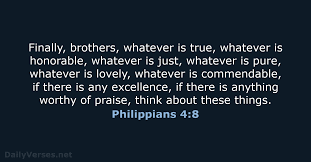
Let us Understand What It Means That God Is “Everywhere” but Not “Everything”. One of the most beautiful and comforting truths revealed is the omnipresence of God. It is important to know this truth. God is present everywhere—there is no place in the universe, no corner of existence, no height, no depth, no darkness, no realm where His presence is absent. King David of Israel declares, “Where shall I go from your Spirit? Or where shall I flee from your presence?” (Psalm 139:7).
Whether in heaven or in Sheol, in the farthest sea or in the darkness of night, God is there. Let’s make this (God in heaven or in Sheol) clear before dealing it more details
1. God’s Presence in Heaven
When Scripture speaks of God being present in heaven, it emphasizes the fullness of His glory, majesty, and rule. Heaven is not where God begins to exist, but where His presence is most clearly revealed and perfectly enjoyed. It is the place of His throne (Isaiah 66:1), where angels worship Him and where the redeemed behold Him without barrier. God’s presence in heaven is a presence of blessing, favor, communion, and delight—the unveiled manifestation of who He is in His holiness and love. Heaven is not God’s location; it is His audience chamber, the place where His rule is exercised most visibly and where His people will enjoy uninterrupted fellowship with Him forever. Thus, when David says, “If I ascend into heaven, You are there,” he means that no height of glory, majesty, or spiritual exaltation removes a person from the rule, care, or nearness of God.
2. God’s Presence in Sheol
When Scripture says that God is present even in Sheol (the realm of the dead), it does not mean that God is communing with the dead or blessing those who reject Him. Instead, it means that no place in existence lies outside His sovereignty, knowledge, and authority. Sheol symbolizes the lowest, darkest, most hidden place—the realm no human can reach and where no sunlight penetrates. Yet even there, God is not absent, nor is His power reduced. His presence in Sheol is a presence of dominion, justice, and inescapable authority, not of fellowship and comfort. David’s point is that even in death—the one place humans fear, avoid, and cannot control—God still reigns. Sheol cannot hide anyone from God’s sight or remove anyone from His judgment or knowledge. Thus, “If I make my bed in Sheol, You are there” means that death cannot escape God, and darkness cannot conceal from Him; His presence fills even the depths where no human presence can go.
But this profound biblical truth has often been misunderstood, misinterpreted, or mixed with ideas from other belief systems—especially pantheism.
Pantheism teaches that God is not only present everywhere, but that God is everything: the tree is God, the river is God, the mountain is God, you are God, and even evil is a manifestation of God. In pantheism, there is no distinction between the Creator and creation. Everything collapses into a single divine substance.
This is not what the Bible teaches.
The Christian doctrine of omnipresence declares something far different, far greater, and far more glorious: God is everywhere in His being, power, and knowledge—yet He is distinct from everything He has made. He fills all things without being identical with anything. His presence sustains all creation, but creation is not God.
To understand the difference, and to avoid confusion when we hear phrases like “God is everywhere” or “the world is filled with His presence,” we must look carefully at the biblical teaching.
1. God Is Present Everywhere—but Not Everything Everywhere Is God
The Bible is unambiguous: God’s presence reaches into the highest heaven, the lowest hell, and every point in between. Jeremiah 23:24 declares,
“Do I not fill heaven and earth?” says the LORD.
This does not mean God is physically scattered as particles throughout space. God is Spirit. His presence is not divided, stretched, or diluted. He is fully present everywhere at once. When Christians say “God is everywhere,” we mean:
- His being is not confined to space
- His knowledge covers all reality instantly
- His power reaches all creation
- His presence is personal and active everywhere
- God is with a worshipper in a church
This omnipresence also includes:
- God is inside a temple but in the idol. It means the temple of Hindu is fall in the presence of God. Even there, Hindu devotees cannot acknowledge of His presence because they worship idol, which is not true God.
- God is in a mosque but in any materials. It means the territory of the mosque is not outside of the presence of God because He is everywhere, still Muslim is not worshipping true and holy God but they pray to Allah, who is not the God of the Bible.
- God is in the darkest corner of life of an unbeliever. It means every person even he or she does not believe in God is in his presence because He is everywhere.
- God is present even in hell—not to bless, but to judge.
- God is present in the heights of heaven and depths of the earth
- God fills the universe without being contained by it
- There is truly no place where God is absent.
But this is where confusion begins.
Many people assume that if God is present everywhere, then God must be in everything—as if He were blended into trees, rocks, animals, clouds, or people. This mistake quickly becomes the foundation for pantheism.
The Bible’s teaching is different. It affirms God’s presence everywhere without mixing God with creation.
2. Pantheism: “God is everything”
Pantheism is the belief that:
- God is identical to the universe
- Everything is divine
- Creation is not separate from God
- The tree, river, sky, stone, and you—everything—is God
It is found in several Eastern religious systems, mystical worldviews, and New Age spirituality. Pantheism is appealing because it feels spiritual, poetic, and inclusive. It claims that the divine is in all things.
But this worldview has several serious problems:
Pantheism eliminates the personal God
If everything is God, then God is not a Person—He becomes an impersonal force, energy, or cosmic substance.
Pantheism erases the distinction between good and evil
If God is everything, then evil is also God. This leads to deep moral confusion.
Pantheism makes prayer meaningless
If God is identical with you, you cannot pray to someone greater than yourself.
Pantheism collapses Creator and creation
There is no transcendent Creator above and beyond the world.
Pantheism destroys the concept of worship
You cannot meaningfully worship a God who is identical with the material cosmos.
Pantheism is popular in modern “spiritual but not religious” movements because it feels comforting—everything is divine, so everything is meaningful. But it is radically different from the biblical understanding of God.
Christian theology rejects pantheism because it fundamentally denies the God of Scripture.
3. The Distinction: Omnipresence ≠ Pantheism
To summarize the difference simply:
Pantheism:
➡ God is everything.
➡ The universe is identical with God.
➡ The nail, the chair, the bird, the mountain—these things are God.
➡ The Creator is not separate from creation.
Biblical Omnipresence:
➡ God is everywhere.
➡ He fills heaven and earth with His presence.
➡ No space excludes Him, yet no space contains Him.
➡ He is present in all things without being identical to any thing.
➡ The Creator is distinct from creation.
This distinction is essential. The Bible consistently teaches that while God is present in all places, He remains holy, meaning separate and distinct.
Isaiah 55:8–9 says:
“My thoughts are not your thoughts, neither are your ways my ways… As the heavens are higher than the earth, so are My ways higher than your ways.”
God is present in creation
—but not part of creation.
God sustains creation
—but creation is not divine.
God fills the universe
—but is infinitely greater than the universe.
This guards us from falling into pantheistic thinking.
4. Biblical Images That Prevent Pantheism
The Bible gives us several truths to keep omnipresence clear and distinct.
(1) God “Dwells” in Heaven
Though present everywhere, God is uniquely revealed in heaven (Deut. 26:15). This shows He is not limited to creation.
(2) God “Walks” with His people
He personally engages with His people in covenant (Leviticus 26:12). His presence is relational, not mechanical or material.
(3) God “Descends” to act
He comes down to deliver, judge, or speak (Genesis 11:5; Exodus 3:7–8). This shows that His presence is active and dynamic.
(4) God “Indwells” believers
He lives within His people through the Holy Spirit (1 Cor. 6:19). This is a special relational presence, not a universal blending.
(5) God “withholds” His blessed presence
Hell is not the absence of God, but the absence of His favor. His presence remains—yet only in judgment.
None of these pictures fit pantheism. They fit a personal, relational, all-present God.
5. God Is Everywhere—but Not “Everything”
Let’s explore what Christians mean—and do not mean—by the omnipresence of God.
A. God is present in Hindu temples, Muslim mosques, Christian churches, and every corner of the world
His being fills heaven and earth. His presence does not depend on buildings, rituals, or religious labels. God is not confined to Christian spaces. His omnipresence means no religion can confine Him, and no place can keep Him out.
But this does not mean
“all religions are God”
or
“God is inside idol.”
Omnipresence affirms His universal presence—not universal identity.
B. God is present in hell
David says, “If I make my bed in Sheol, You are there.” God’s presence in hell is not saving, comforting, or relational—it is the presence of divine justice.
Pantheism would say hell is part of God.
Christianity says hell is under God.
C. God is present in mountains, rivers, animals, stars
His sustaining power upholds creation. If God withdrew His sustaining presence, creation would collapse instantly.
But this does not mean the river is God or the mountain contains pieces of God. God is not mixed with matter.
Creation depends on God
—but is not God.
6. The Biblical Vision: Transcendent yet Immanent
Christian theology balances two great truths:
1. God is transcendent
He is above, beyond, and outside the universe. He is not confined, contained, or defined by space.
2. God is immanent
He is present within the universe, sustaining and ruling all creation.
Pantheism collapses immanence into transcendence and destroys the biblical picture.
Deism collapses transcendence into distance and imagines a God who is absent from the world.
Christianity holds both:
God is distinct from creation (transcendent),
and present within creation (immanent).
This is the beauty of biblical balance.
7. Why Omnipresence Is Deeply Comforting
Pantheism makes everything divine but removes personal relationship.
Christian omnipresence makes God everywhere present as a Father, Protector, Judge, and Savior.
1. You cannot be hidden from His sight
Whether in a crowd or completely alone, God sees you.
2. You are never abandoned
When friends walk away, God remains.
3. Every prayer is heard instantly
You do not need to travel to a holy place.
4. No darkness is too thick for God
He is with sufferers, wounded hearts, lonely souls, and frightened minds.
5. God is with you in every place
Whether in joy or sorrow, in success or failure, in life or in death, His presence accompanies you.
The omnipresence of God is not a cold metaphysical concept—it is a warm, life-changing truth.
8. Why Pantheism Is Dangerous
1. It denies the holiness of God
If everything is God, then God is not separate from sin.
2. It destroys moral distinctions
If all is divine, nothing is evil.
3. It eliminates salvation
If you are already divine, you do not need saving.
4. It breaks the Creator–creation relationship
Without distinction, worship becomes meaningless.
5. It empties prayer of meaning
You cannot meaningfully pray to the universe.
Pantheism may feel spiritual, but it is spiritually dangerous.
9. The Christian Confession
The Bible’s message is clear:
- God is everywhere present
- God is greater than all creation
- God is distinct from creation
- God fills the universe
- God is not identical with the universe
- God sustains all things
- God is not contained in anything
Therefore:
“God is everywhere” does not mean “God is everything.”
“God is in all places” does not mean “God is in all objects.”
“God fills the universe” does not mean “the universe is God.”
Creator is always Creator.
Creation is always creation.
The two can never be confused.
Conclusion: The Glory of a God Who Is Everywhere but Not Everything
The omnipresence of God is one of the most majestic truths of Scripture. It means that God is:
- Near to the brokenhearted
- Present in a prison cell
- Listening from a hospital bed
- Watching over a child
- Walking with a laborer
- Hovering near the dying
- Active in galaxies beyond sight
- Lord over the deepest pits of hell
- King over the highest heavens
He is present in the darkest places where sin destroys life. He is present in the most religious spaces where people seek Him. He is present across the universe and beyond it.
Yet, He is not blended into matter, nature, idols, atoms, or energy. He remains the infinite, eternal, personal God—distinct from His creation yet near to every creature.
This is the great difference between pantheism and biblical omnipresence:
Pantheism dissolves God into the world.
Christianity reveals God who fills the world without becoming the world.
Because of this, believers can confidently say:
“God is with me everywhere—not because everything is God, but because God is Lord of all.”
Related News